Warthog wonders

Warthog wonders

An animal that I know as “ugly cute”, often seen while on a gamedrive and often overlooked Warthogs are actually remarkable creatures.

Here are some interesting facts you may not know about them:

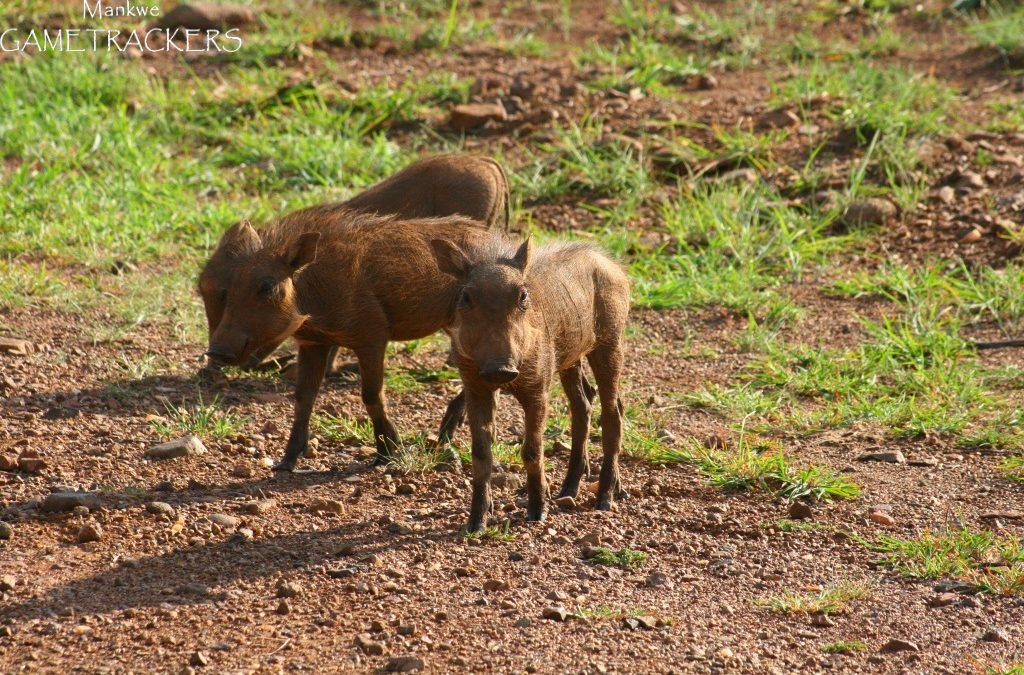
Warthogs have inherited their name due to the big wart like bumps that they have on their faces. The males get larger warts then the females especially close to their eyes, this is used to protect their eyes from another males tusks when they are fighting. You can see the difference between the male and female from the photo above, the female is on the left and the male on the right.

Warthogs are good at digging up roots and other food items but they don’t dig their own burrows. Warthogs will make use of burrows or tunnels made by other animals such as aardvark or porcupines. Sometimes sharing the burrow with one of these nocturnal animals as they are active during the day. When going into the burrow the warthog will go in bum first that way the head is facing the entrance, not only for a quick getaway but also so that its weapons (tusks) are facing the right way if needed.

Piglets are always so cute! The female will give birth within the safety of a burrow where the little piglets will stay until they are around 6-8 weeks old. When warthogs run their tails take to the sky making it easy for them to follow each other through the long grass, hence the reason this is called a “follow me sign“.

A warthogs main diet is vegetation but like other pigs they are omnivores and have been documented eating meat off carcasses.

During hot days you will often see these mammals wallowing in mud pools which they love to do. This not only works as a sunscreen and to help cool down but also works as a parasite control. Once the mud hardens the warthog will go and rub against a rock or tree stump removing the dry mud and any parasites such as ticks that get trapped in it.
Things you may not know about elephants.

Things you may not know about elephants.

The African elephant and Asian elephant are the only two distinct species of elephant left in the world.

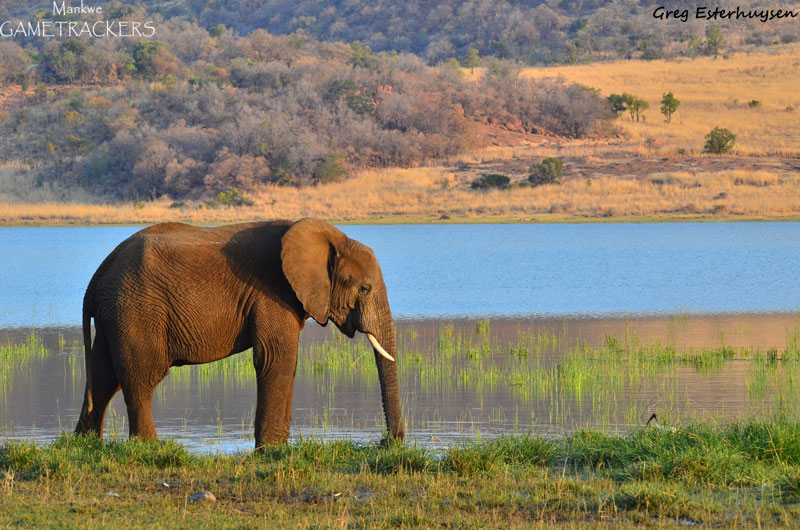
The African elephant (Loxodonta africana) is slightly larger than their Asian cousins and can be identified by their larger ears that look somewhat like the continent of Africa.
African elephants have two finger-like tips on the end of their trunk which allows for extreme dexterity (Asian elephants only have one).
The trunk is an amazing limb containing an estimated 100,000 muscles and tendons.

The African elephant and Asian elephant are the only two distinct species of elephant left in the world.

The African elephant (Loxodonta africana) is slightly larger than their Asian cousins and can be identified by their larger ears that look somewhat like the continent of Africa.
African elephants have two finger-like tips on the end of their trunk which allows for extreme dexterity (Asian elephants only have one).
The trunk is an amazing limb containing an estimated 100,000 muscles and tendons.

African elephants gestation period is 22 months making it the longest gestation period of any other land animal in the world.
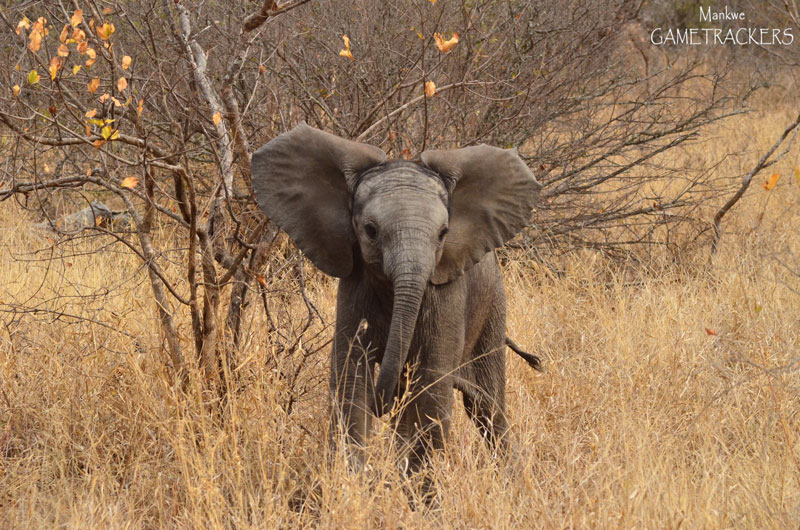
When the little one is born they can weigh anything between 90 kg to 120 kg (poor mom).
Just as a human baby sucks its thumb, an elephant calf often sucks its trunk for comfort and it is so cute to watch them learn how a trunk actually works.
The elephants are extremely social animals, the herds that one sees is usually comprised of a family group of females and their young. Males will either leave the herd or get chased away at around the age of 15 years. These males will then often join up with other males to form a loose-knit bachelor herd.
Both male and female elephants possess tusks, which are actually modified incisor teeth.
The elephant’s tusks will continue to grow throughout its life making use of them for digging, foraging, and in the males case, fighting.

Just as people can be either right-handed or left-handed, elephants are either right-tusked or left-tusked as they will favor using one over the other.

In bachelor herds the males will often play fight as seen in the photo above, this is to help assert dominance within the herd.

Elephants don’t posses sweat glands like we do and therefore need to make use of other methods to cool down. They use their ears to regulate their body temperature (“earcon”).
Inside of an elephant’s ears there are a network of large veins and the skin over the back of the ear is very thin. As the elephant flaps its’ ears they create a light breeze over the veins helping to cool the blood in their ears and in turn, their body.
Elephants will also make use of natures cooling system…mud and water. Elephants love to swim often fully submerging themselves and use their trunks like a snorkel.

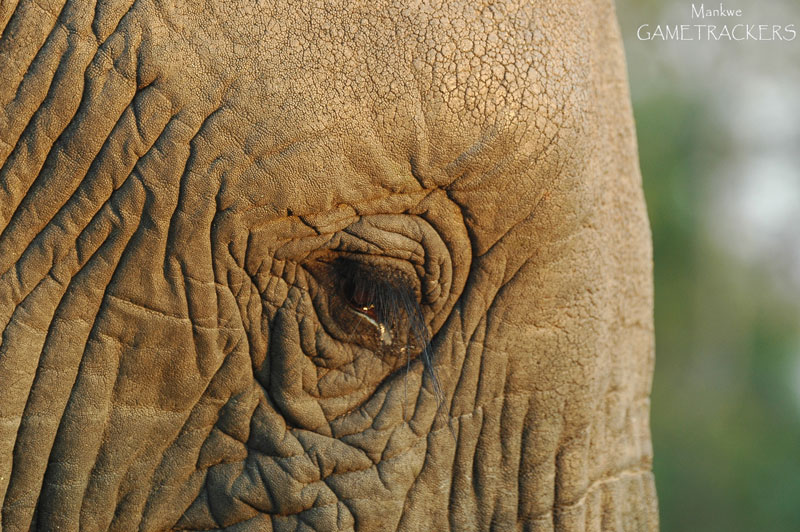
An elephants eyes are very small meaning that they have poor vision. This is made up for with a fantastic sense of smell and hearing.

Elephants get six sets of teeth throughout their lives. As the teeth wear down from all the chewing they do, they are replaced by new ones emerging from the back of the mouth and moving forward, similar to a conveyor belt. Each set being bigger than the last in order to accommodate a growing skull.

Checkout our elephant videos from our YOUTUBE Channel:

Language »