Things you may not know about Lions.

Things you may not know about Lions.

There is so much to be said about these magnificent big cats. Here are just a few facts we would like to share with you.

Lions are the largest cats in Africa and second largest in the world (Tigers being first).

They are also the only truly social cats living in prides. Females within a pride are usually related and will often stay with their pride for life. Males are however chased out of the pride at around the age of three. At this point, they will often lead a nomadic lifestyle or live in a coalition with other males, often their brothers.

The females in a pride do most of the hunting however the males do offer help, especially to take down bigger prey such as buffalo and giraffe. Male lions will eat first at a kill, while the females and cubs wait their turn. The females put up with this behavior because the males offer protection for the pride. The beautiful big mane of a male not only shows status but also protects the male’s neck during a fight. When other males want to try and take over the pride they will fight the existing male or coalition of males.  If they win the new victorious males will often kill any cubs that are still dependent on their mothers (this is known as infanticide). It may seem cruel but by doing this the new pride males are making sure that they spend their time and energy raising and protecting their own cubs.

When hunting lions make use of their protractile claws. The claws are kept sharp by being retracted into a protective sheath when the lion doesn’t need to use them. When the lion is hunting or fighting they contract their muscles and the claws push out.

The large canine teeth are used to catch and kill prey but are useless when it comes to eating. The molar and premolar teeth, however, are very well designed for this task. Being carnivores lions have what is known as a carnassial shear, this consists of the fourth upper premolar and first lower molar. These teeth articulate against each other cutting through meat and sinew. That is why when watching lions on a kill you will see them tilting their heads to the side while trying to chew. If you have ever had a domestic cat lick you, you will know how rough their tongues can be, lions are no different. They have very rough barbs on their tongues which they use not only for grooming purposes but also to remove meat and fur from their prey.

As most of us know lions spend a large amount of their time laying around, even more so during the heat of the day. They also spend time grooming each other and resting close together, all of which is a way of bonding and socializing as a pride.

Lions are apex predators and are at the top of the food chain, however they will give way when confronted by bigger animals.

Every now and then we get breathtaking sightings of these big cats and we love sharing special moments like this with our guests. Last year while on one of our morning safaris we got to share an amazing sighting of lions on a hunt. It is not often that we get to witness a hunt from start to finish. Below is a video of the sighting.

Did you know?

Did you know?

The Red-billed oxpecker may help keep animals such as giraffe clean by removing parasites, but they can cause harm too. When an animal has an open wound very often the Oxpeckers will constantly peck at the wound which can make the wound bigger and take much longer to heal.

The name hippopotamus comes from the Greek word “hippos,” which means horse. Hippos were once called “river horses” However the hippo is more closely related to the pig than the horse.

Chacma Baboons are highly social animals living in troops ranging from 20 – 100 individuals. A female gives birth after a gestation period of around 6 months.
Did you know?

Did you know?

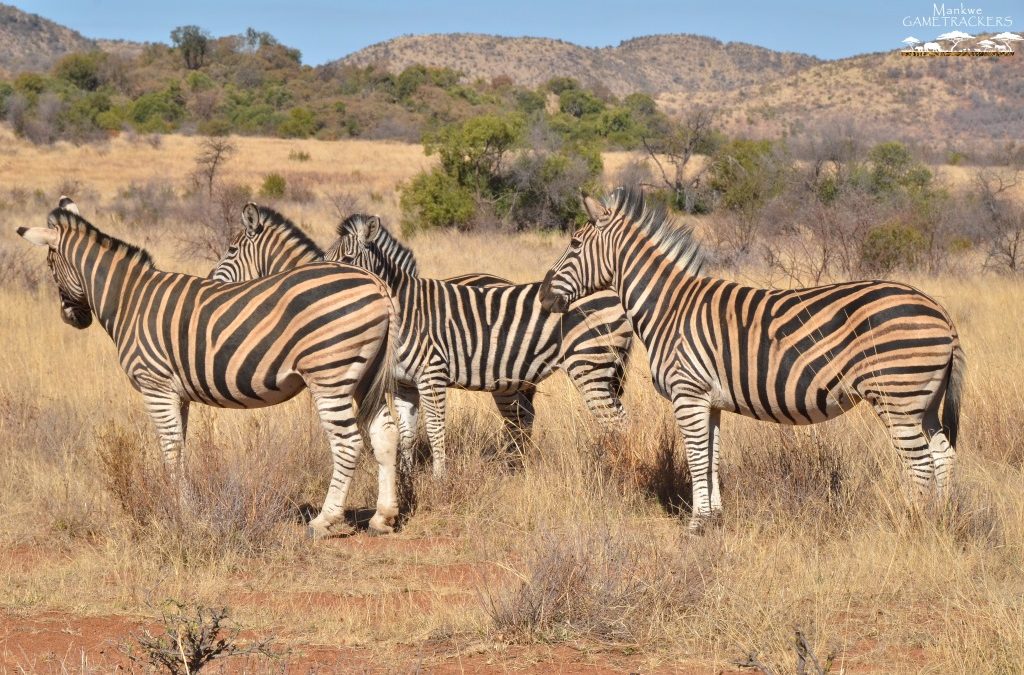
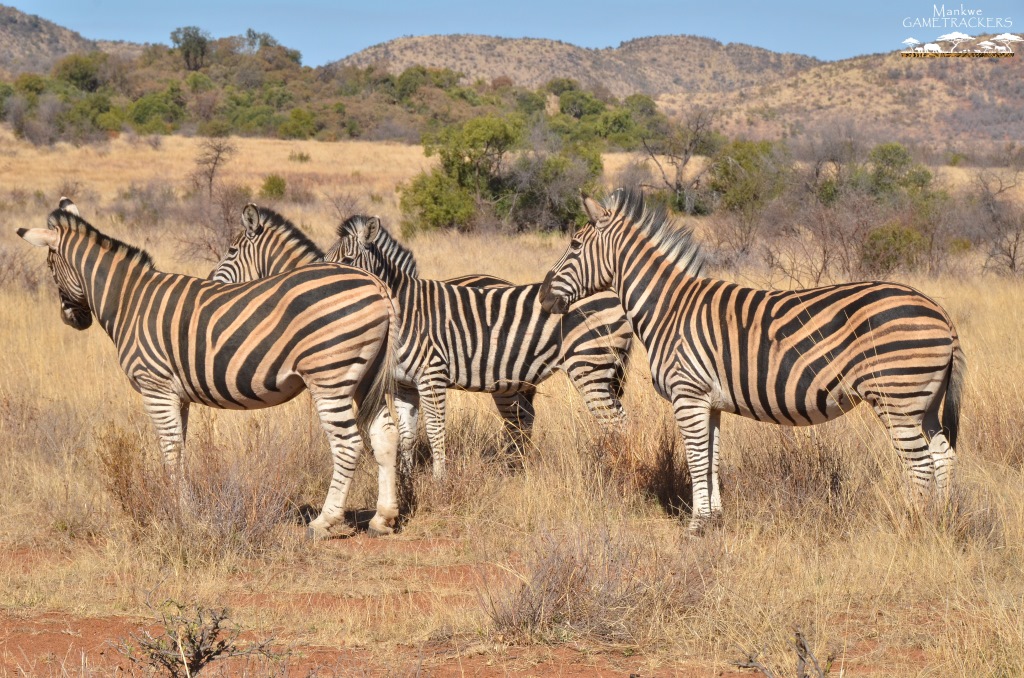
Zebras always look fat and healthy due to the large quantities of grass that they eat. This is because they are hindgut fermenters and with all the digestion happening they are full of gas. This not only gives them their round stomachs but is also the cause of their flatulence.

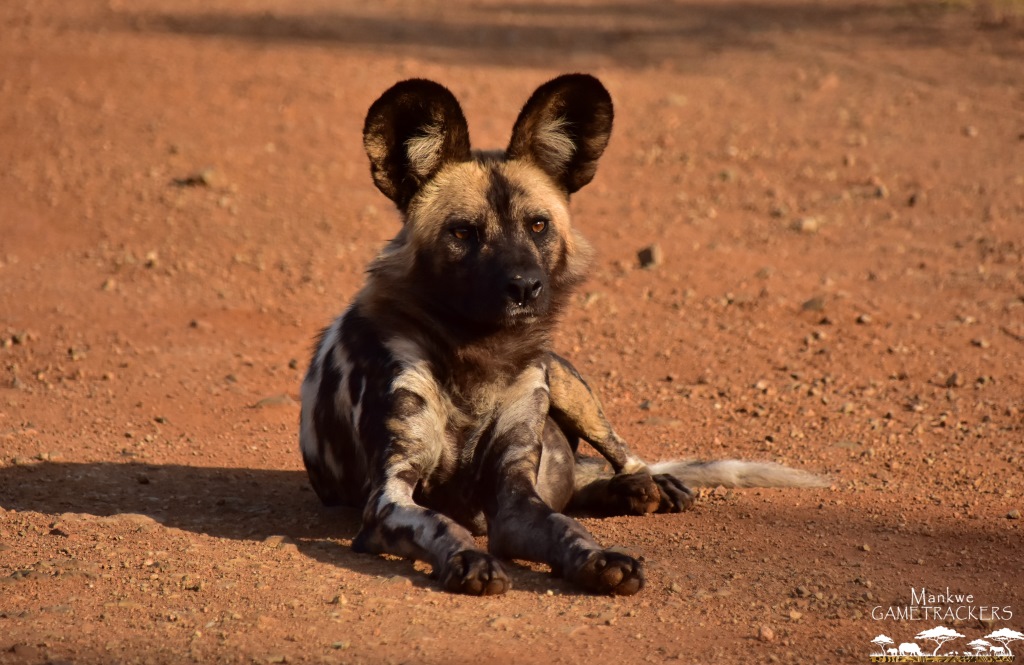
Wild dogs live in packs that consist of an Alpha male and female who are the only pair in the pack to breed. The whole pack is responsible for the raising of the pups which increases their chances of survival.

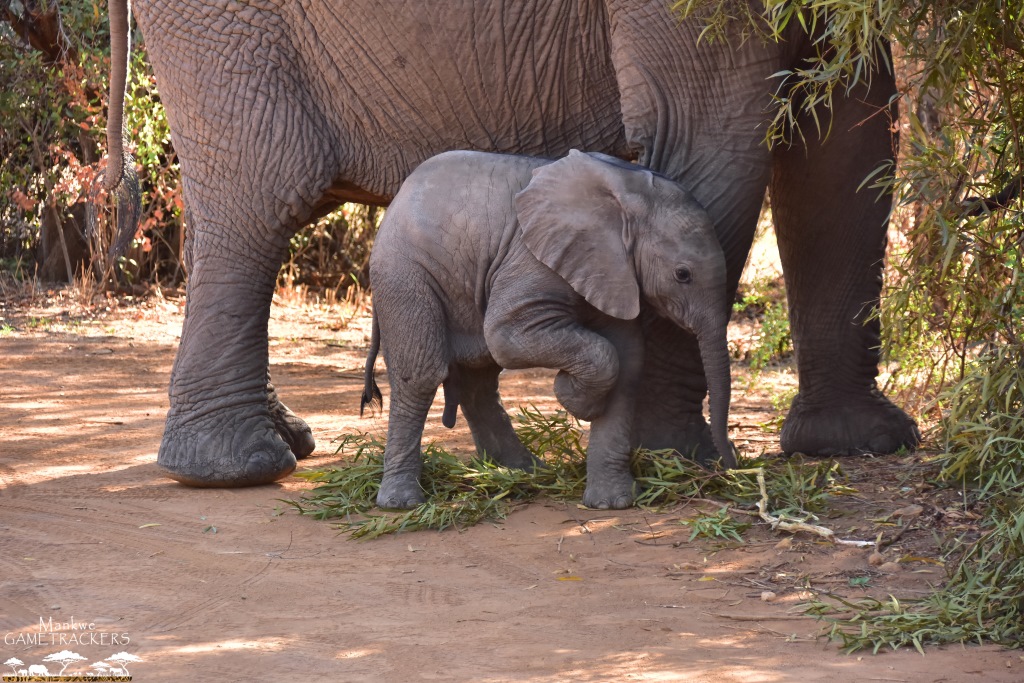
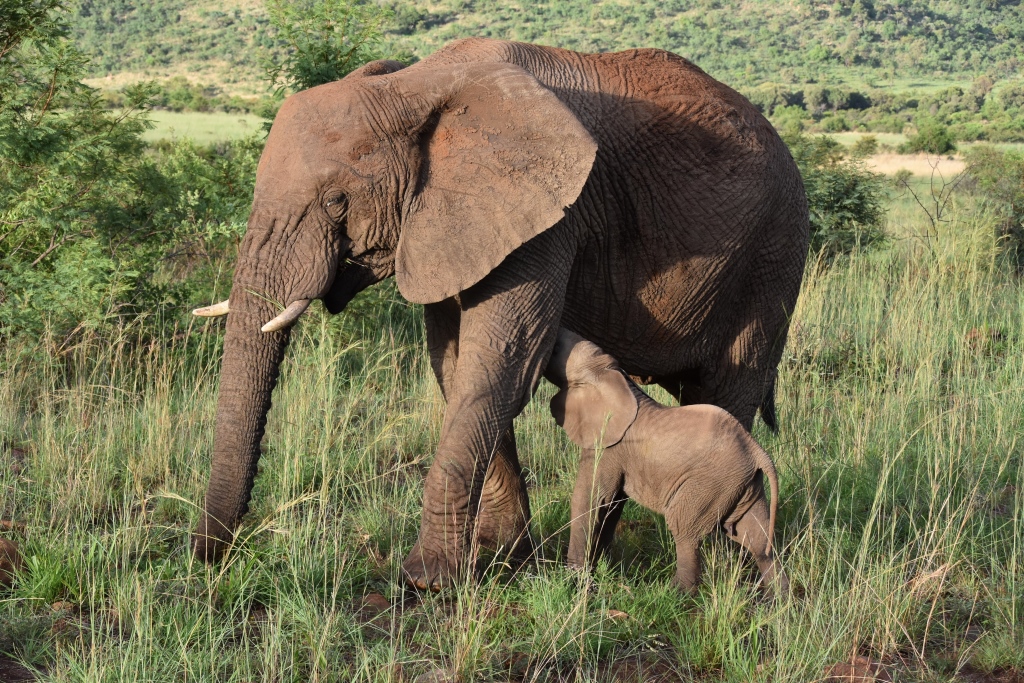
An elephants trunk consists of thousands of muscles. It takes an elephant calf up to three months to start realizing how its’ trunk works.

What is the difference between the black and white rhino?

What is the difference between the black and white rhino?

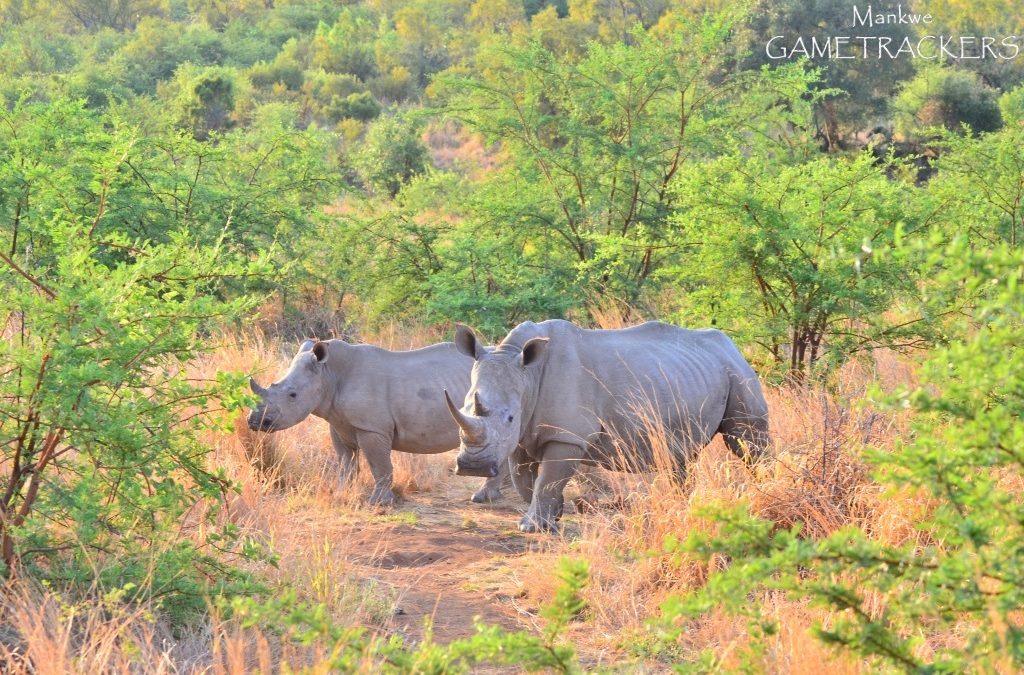
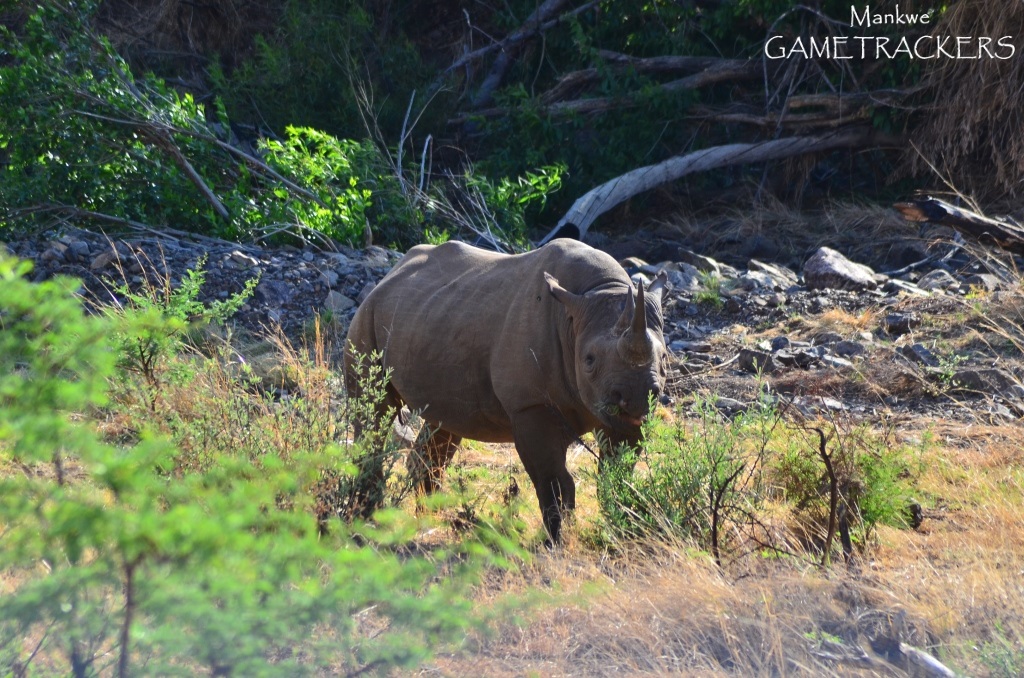
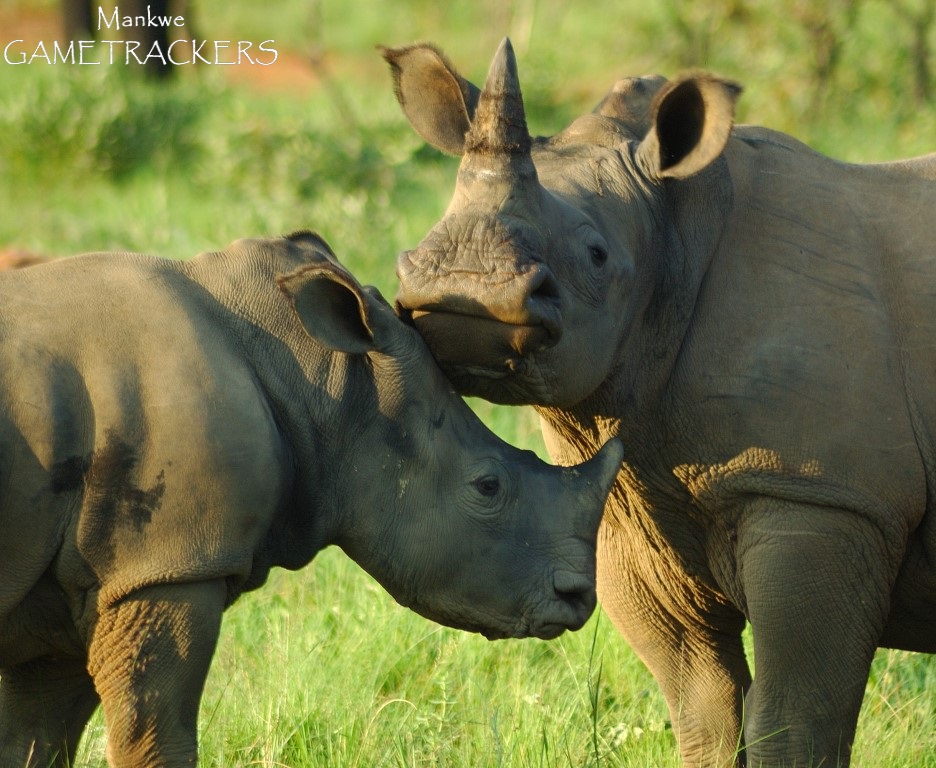
In the photo below we see the Black rhino on the left and White rhino on the right.

Black Rhino (Diceros bicornis)

White Rhino (Ceratotherium simum)

*There are two types of rhino in Africa – the black rhino and the white rhino.

*Don’t let the name fool you, rhinos are grey in color not black or white as their names suggest. One of the theories is that the term white rhino is a mistranslation;
the Dutch settlers in South Africa initially called them “Weid mond rhino”, meaning “Wide-mouth rhino.”

*They should be referred to as the square-lipped (white) and hook-lipped (black) rhinoceros.

*Rhinos have poor eyesight but they make up for this with an acute sense of hearing and smell.

*Both the black and white rhinos have two horns.

*A rhinos gestation period is around 15-16 months with the female giving birth to only one calf at a time.

White Rhino (Ceratotherium simum)

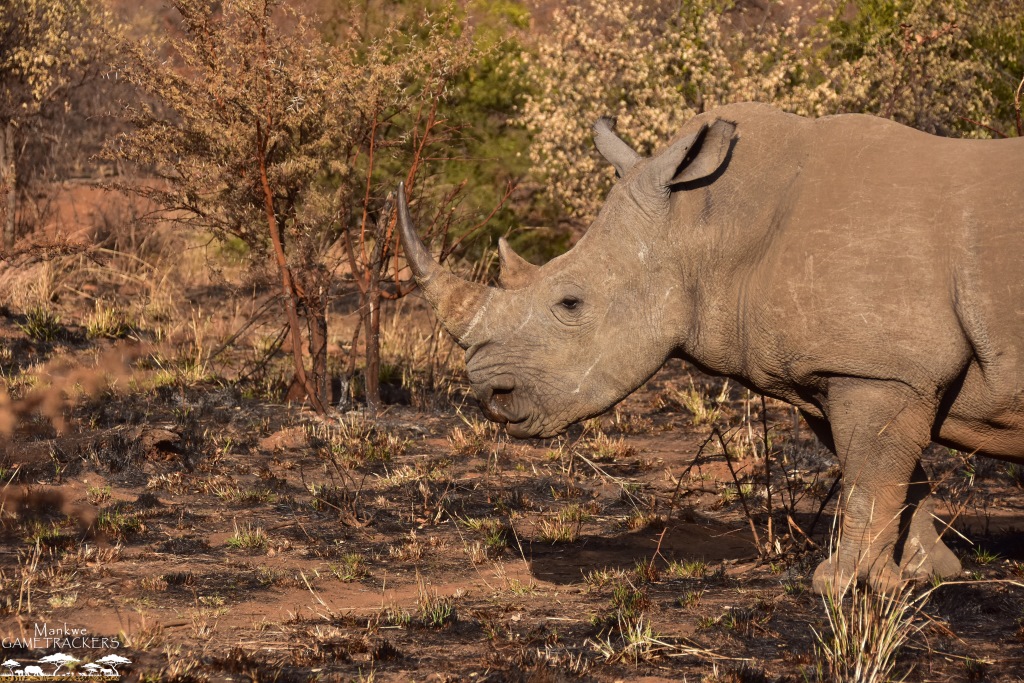
*The white rhino is a grazer with a wide mouth best designed for eating grass.
*It is not unusual to see White rhinos in a herd called a “Crash” of Rhinos (Make them run and you will know why).
*White rhinos are heavier then black rhinos with bulls weighing up to 2 300kg.

Black Rhino (Diceros bicornis)

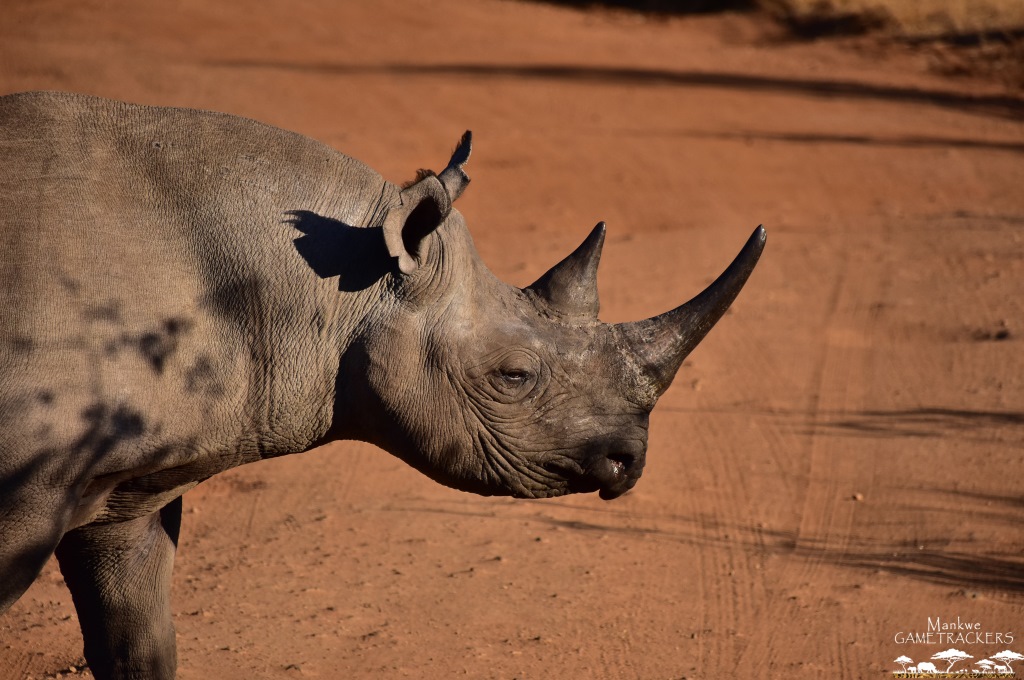
*Black rhino’s are browsers, using their pointed upper lip to grasp leaves and twigs.
*Black rhinos are more solitary, being seen most often on their own.
*Black rhinos can reach up to around 1 000kg.

Rhinos use their horns for self-defense against predators and fighting off opponents.
The horns are the reason that the species overall are classified as Critically Endangered.
This is due to the demand of rhino horn on the black market for medicinal use in the Far East.
The horns are ever-growing at a rate around 6 cm a year.

Want to see these amazing animals up close? Why not do your bit to help the Rhinos and take part in Rhino notching:

Did you know?

Did you know?

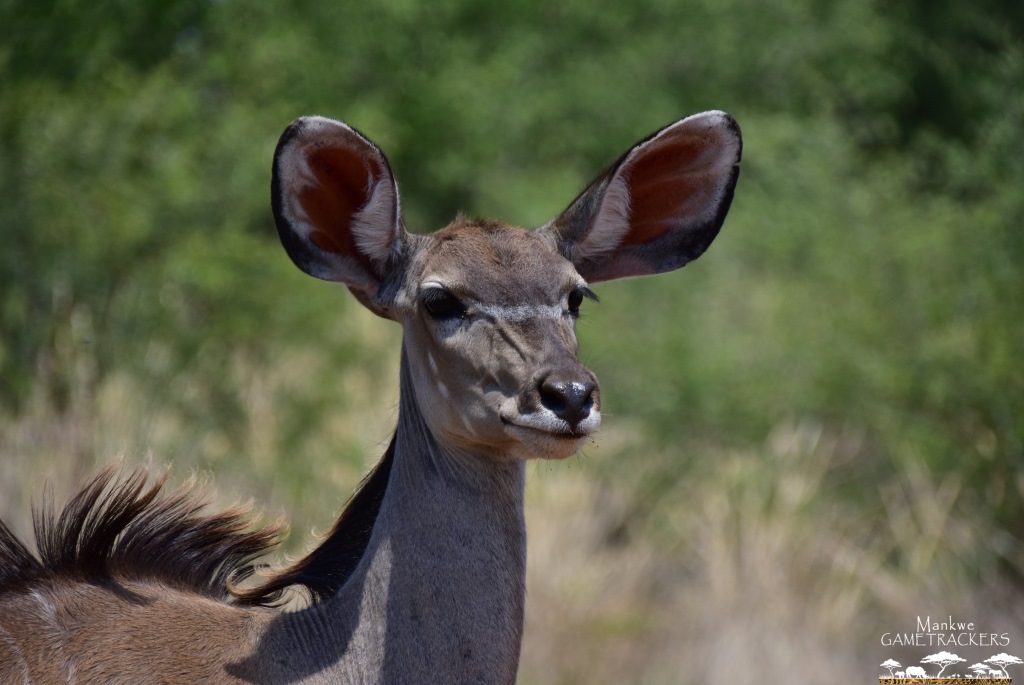
Did you know that kudus have a very large liver in order to handle the toxins (Tannins) in the plants that they eat?

Did you know that the gestation period of an elephant is 22 months? This is the longest gestation period of all mammals.

Did you know that the collective noun (name) for a group of Zebras is a dazzle?

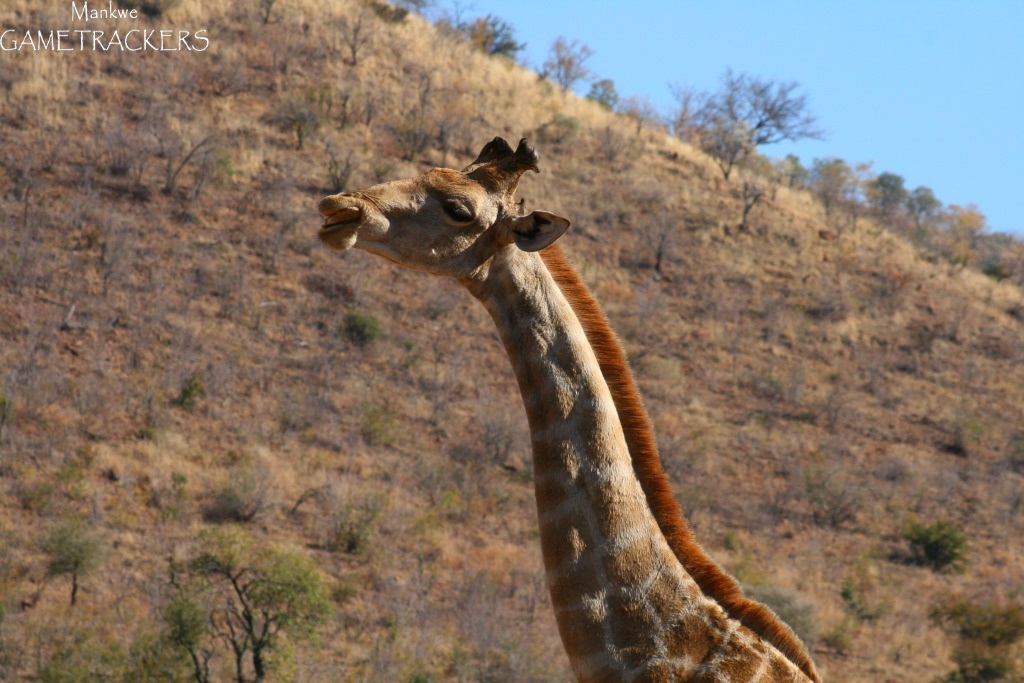
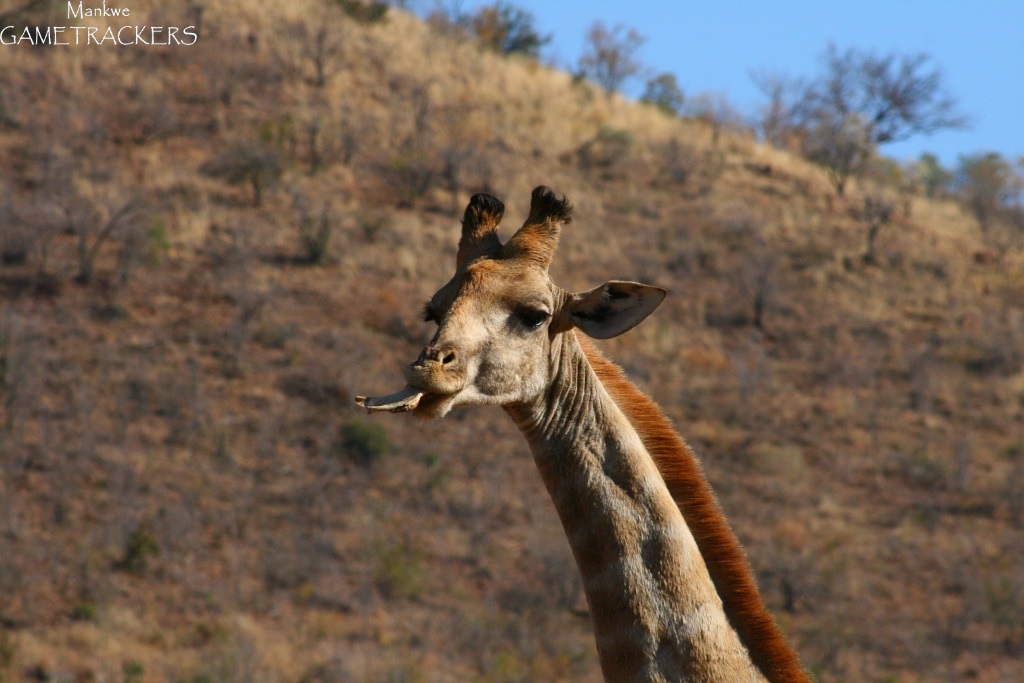
Giraffe chewing on a bone!

Giraffe chewing on a bone!

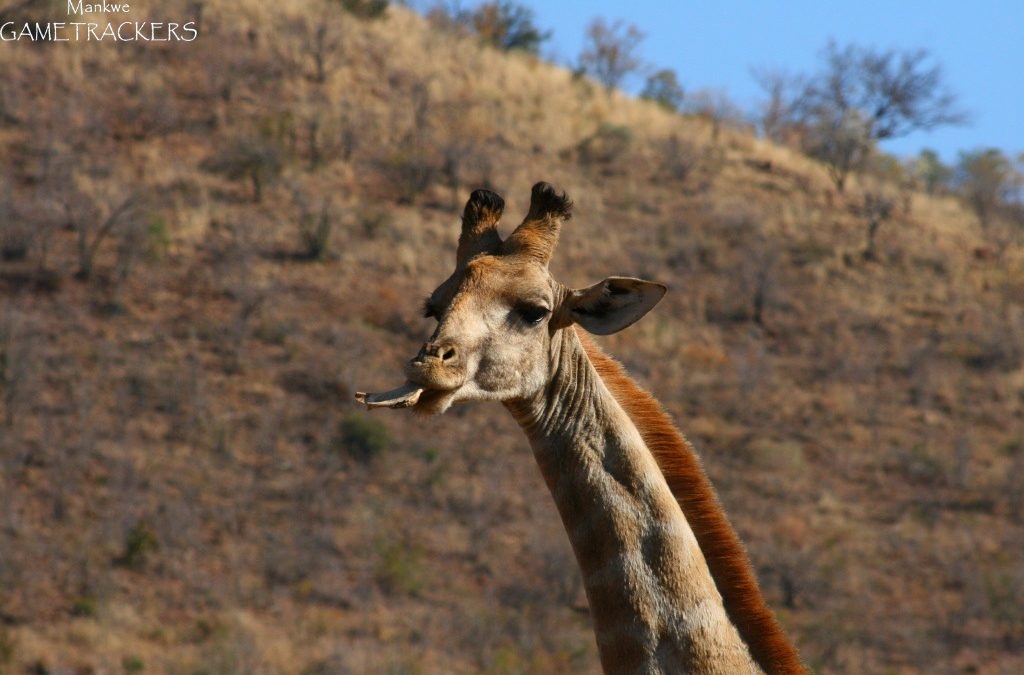
Have you ever seen a giraffe chewing on a bone?

This is something often seen while on Game drive in the Pilanesberg National Park.

While out and about in the Reserve one might see a Giraffe sucking on something, often with saliva streaming from their mouths. If one listens carefully you might even hear the hard object hitting against their teeth.

When the giraffe loses interest and drops its treat you will see that it was a bone that it was sucking on.

This phenomenon is known as Osteophagy. It is believed that animals do this in order to supplement their phosphorus and calcium intake.

Below is a video of a kudu making use of Osteophagy.

Language »