Highlights from July 2019.
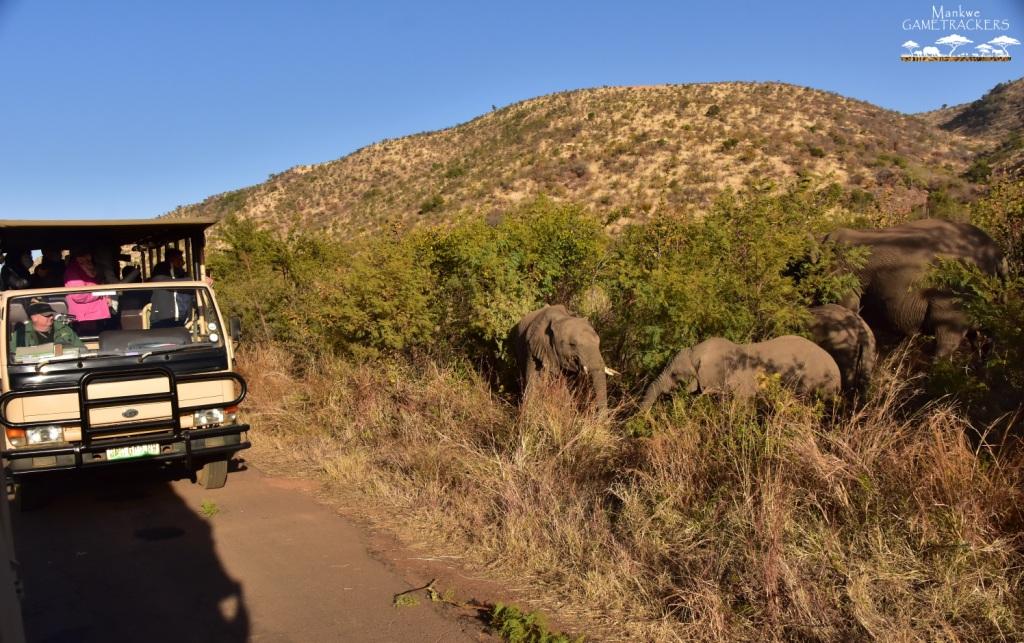
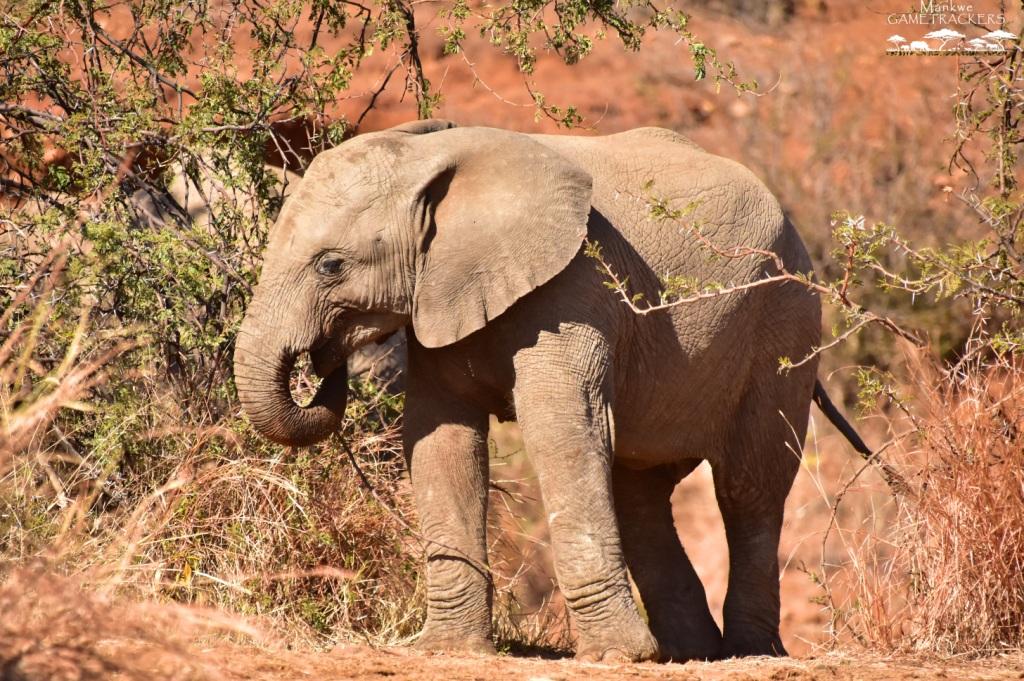
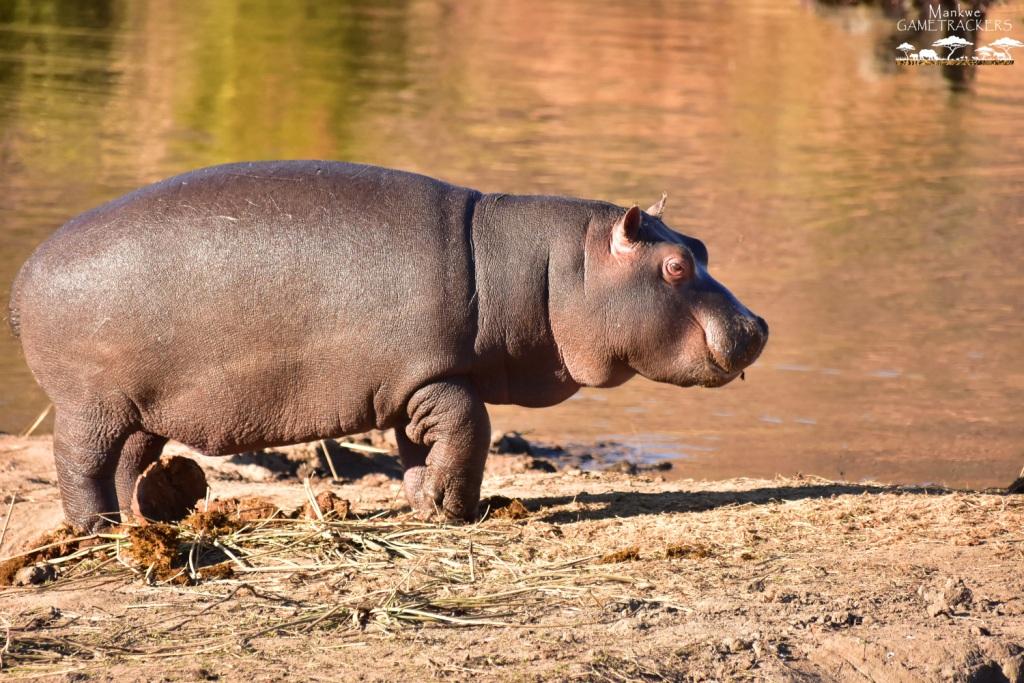
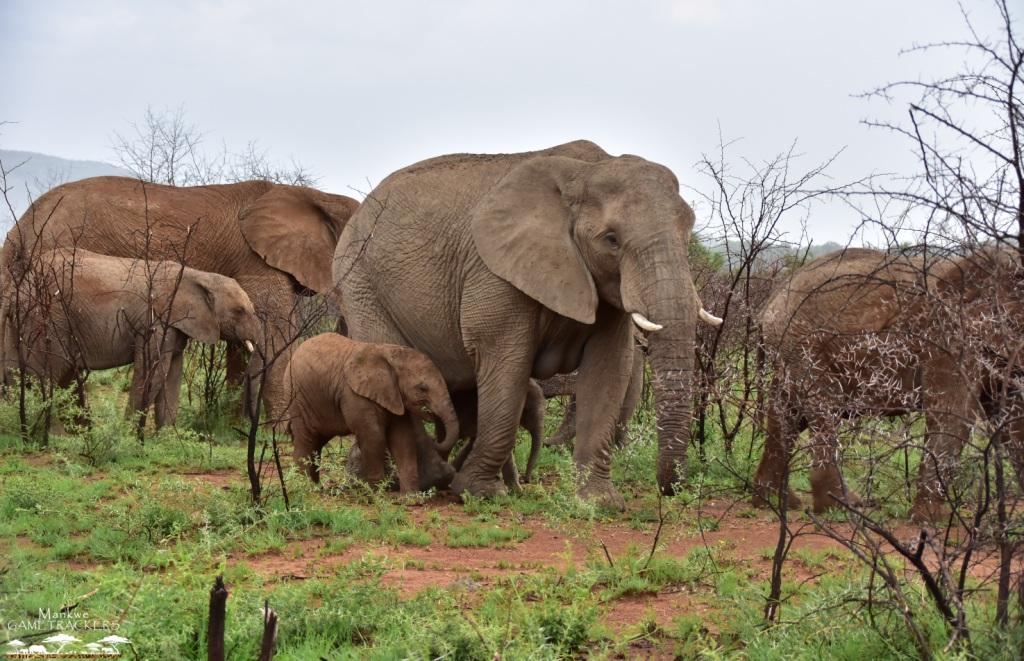
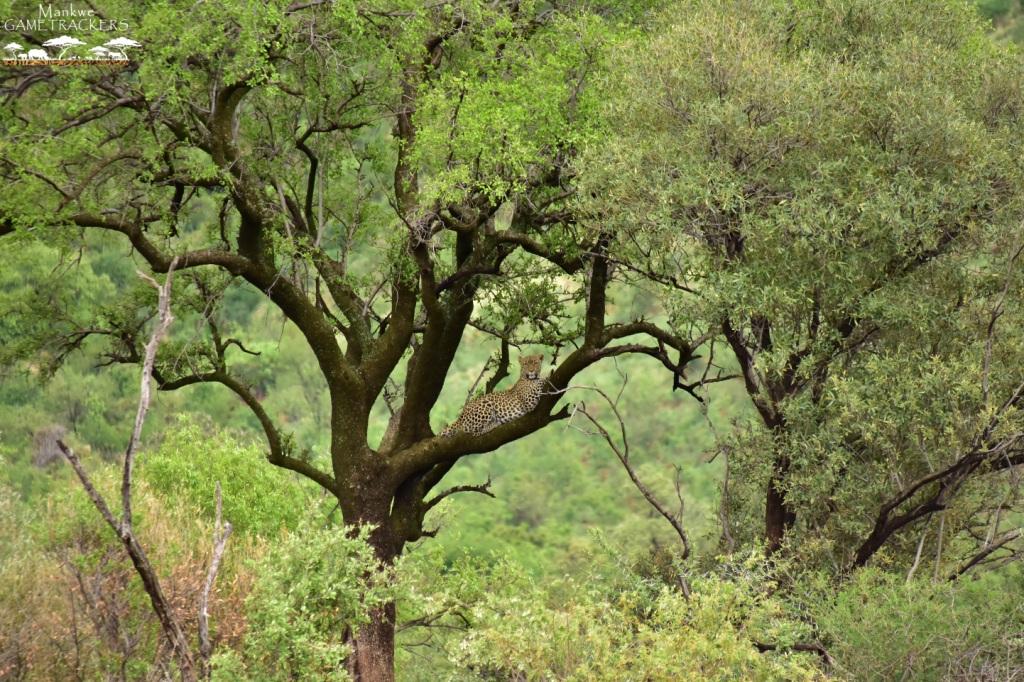
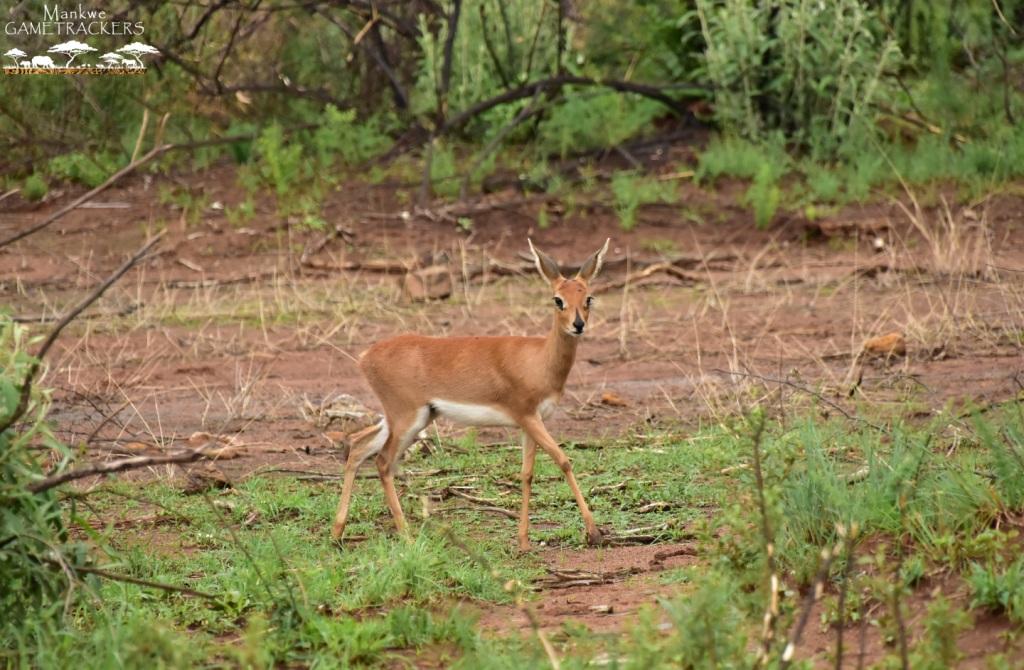
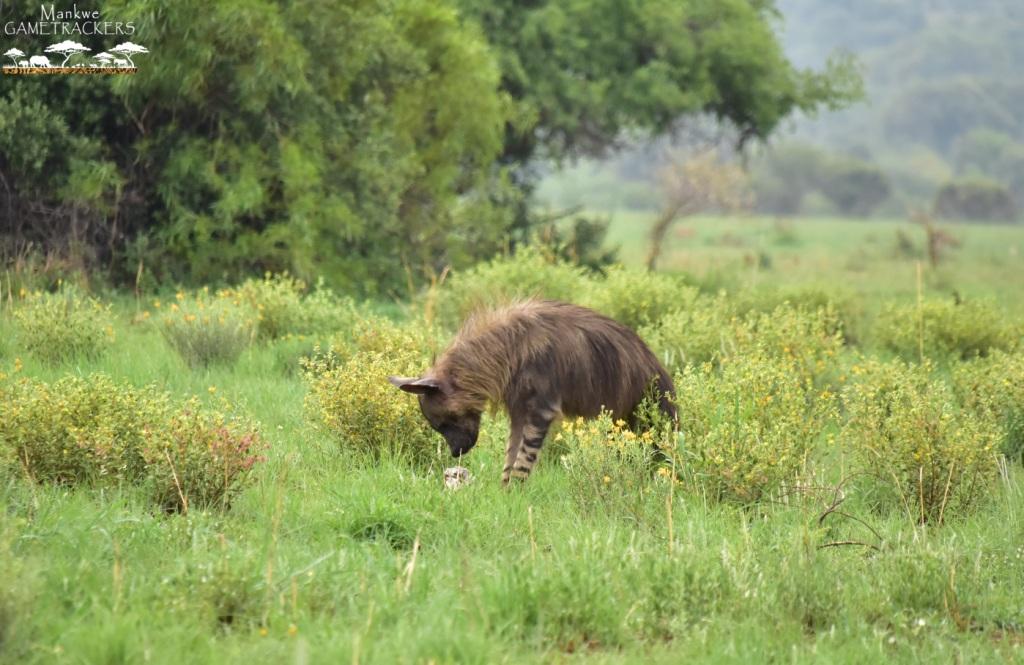
July was a great month for sightings. It is very dry at the moment so the animals seem to be staying close to the dams.
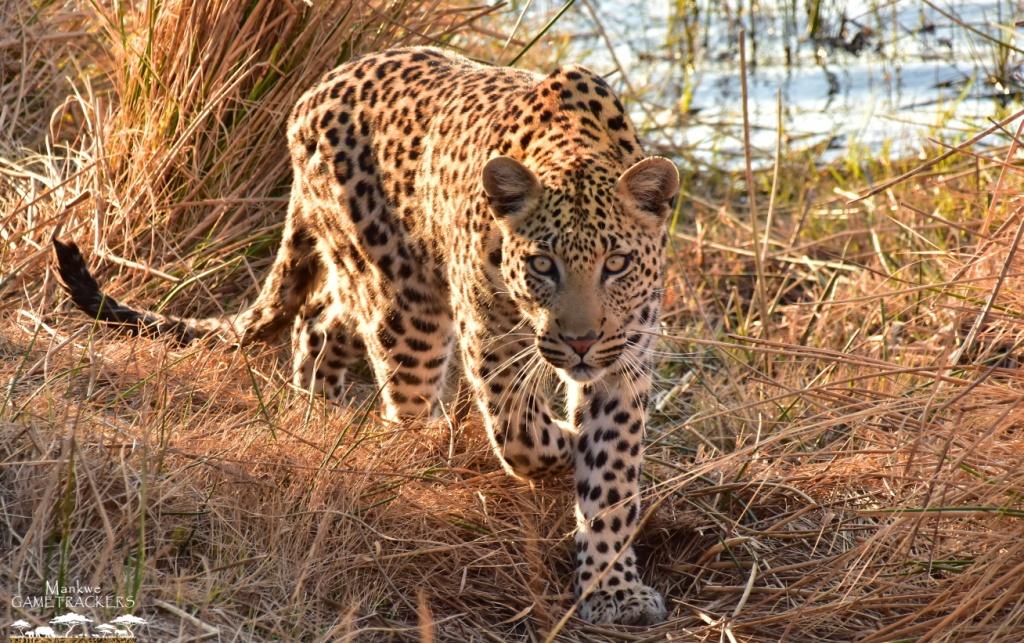
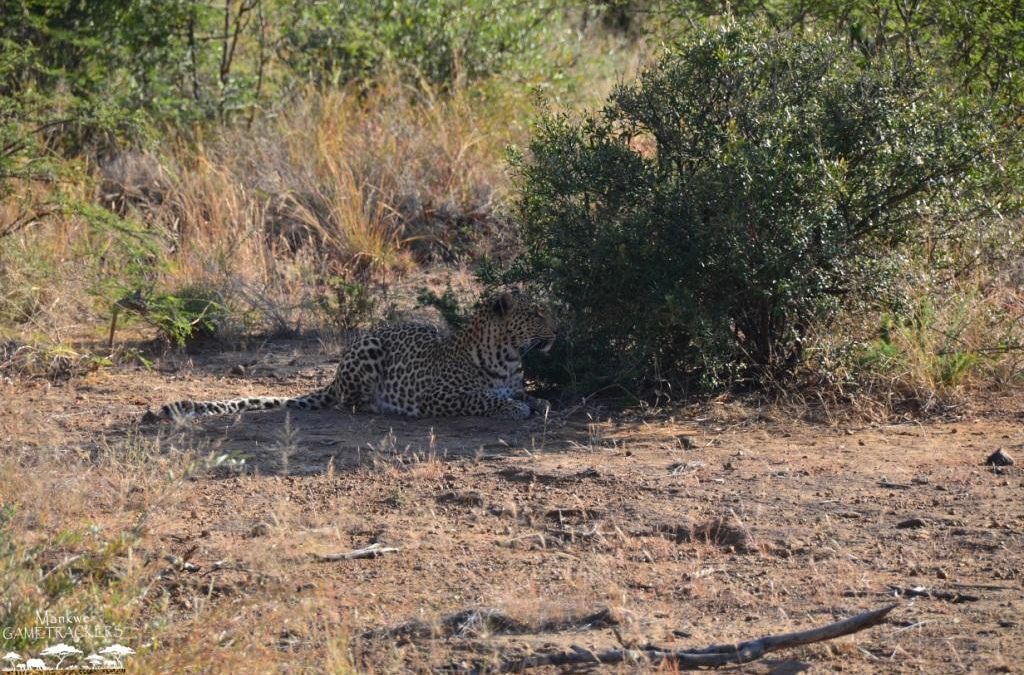
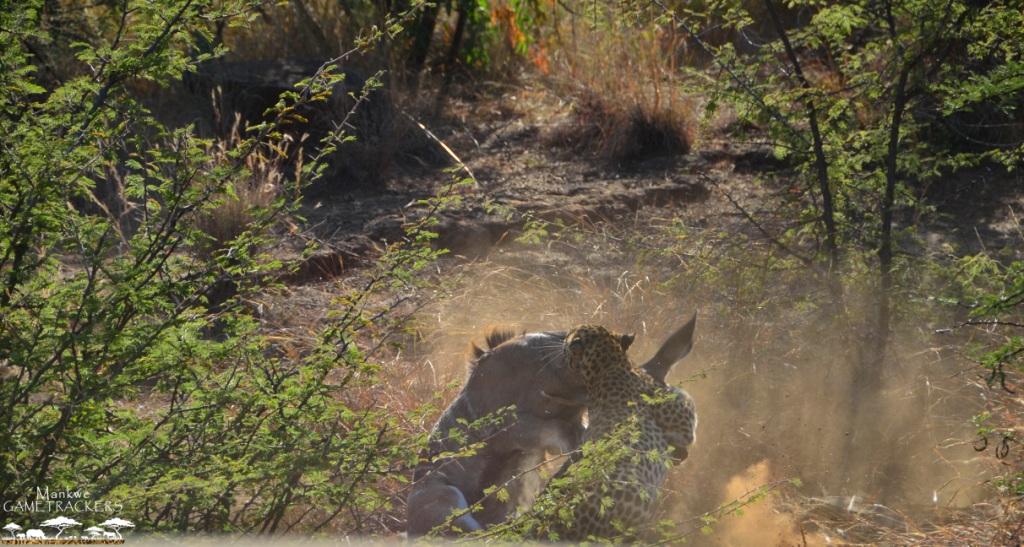
A couple of weeks ago field guide Greg Esterhuysen had stopped to look at a herd of Kudus and give his guests some information about them. After a few seconds, something caught his eye. There was a slight movement in the shadows of a small tree…A leopard!
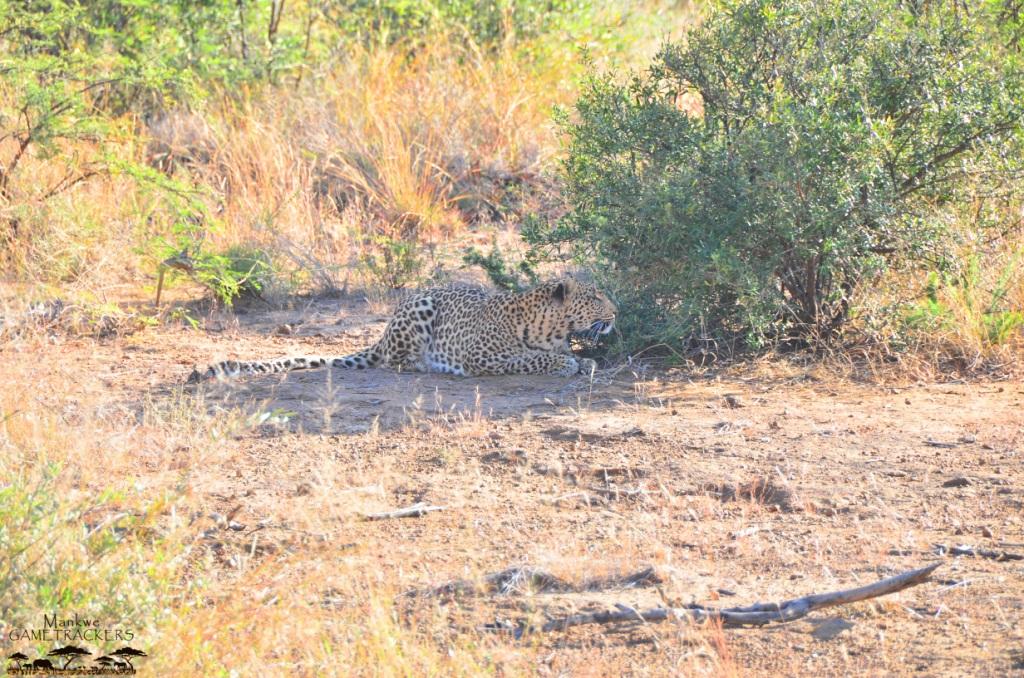
The leopard was keeping a very close eye on the Kudus as they moved closer to her. She lay behind the small tree dead still in order to remain undetected. What unfolded was nothing short of spectacular.
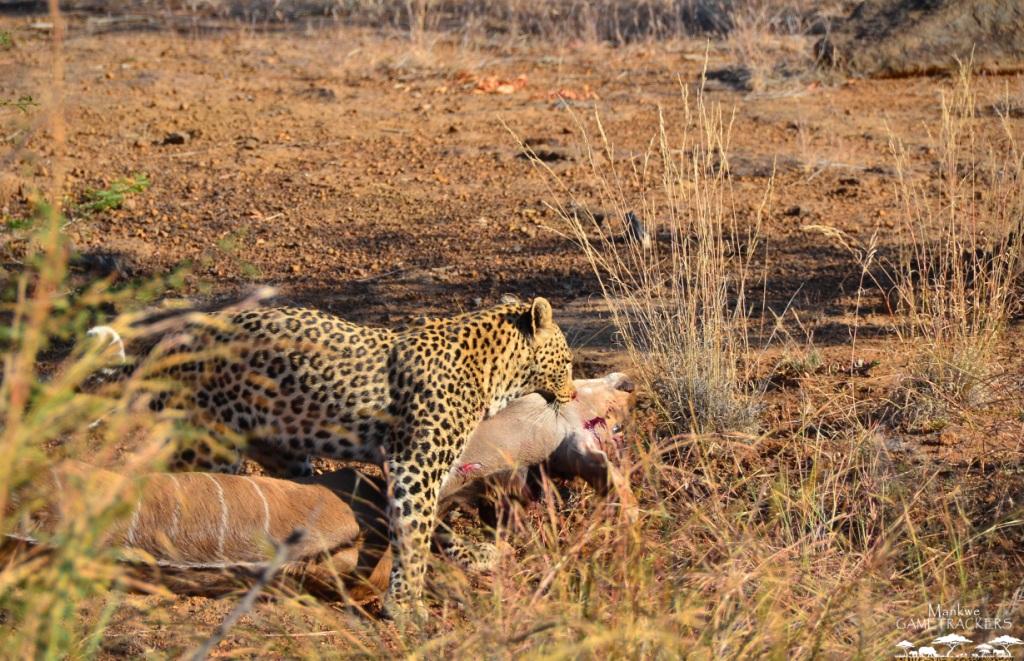
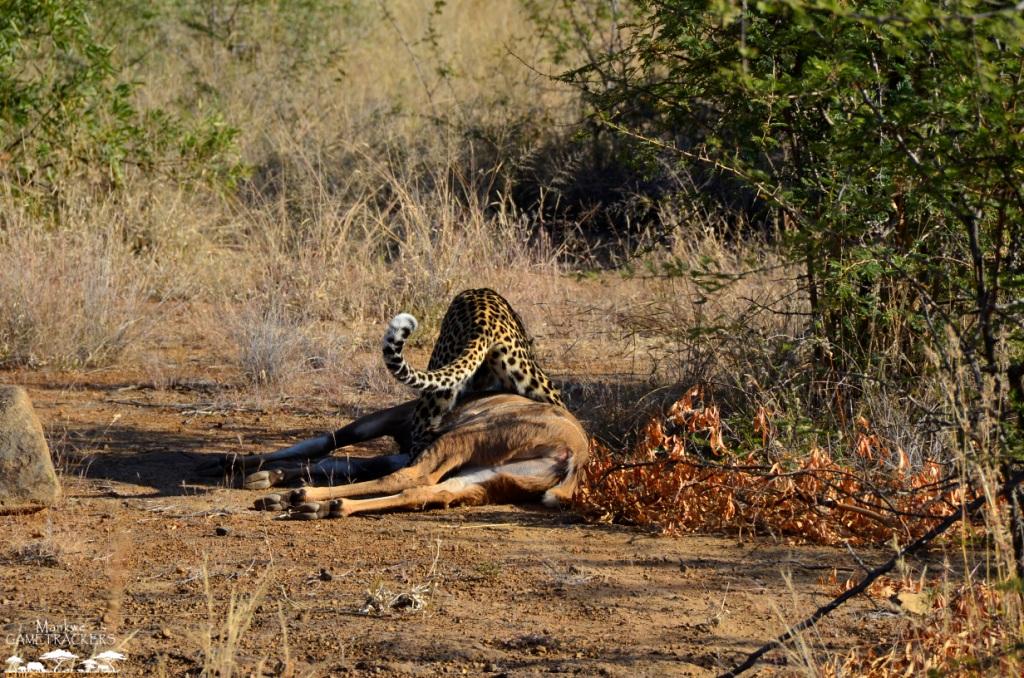
When one of the younger Kudus got even closer it got distracted for a second and looked in the other direction, the leopard took its chance. She ran and before the Kudu even realized what was happening leaped into the air and managed to take hold of the kudu around its throat. Within minutes the Kudu was dead and the leopard dragged its meal away.
Right place at the right time as it is not often we get to see something like this. Here are the photos Greg Esterhuysen managed to get of the action.
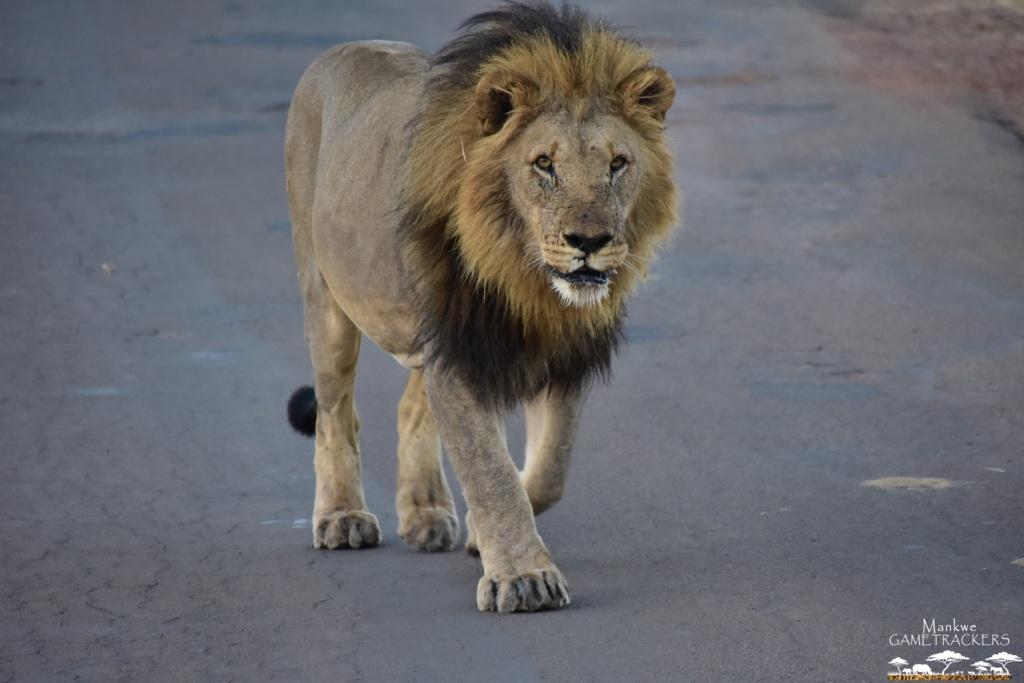
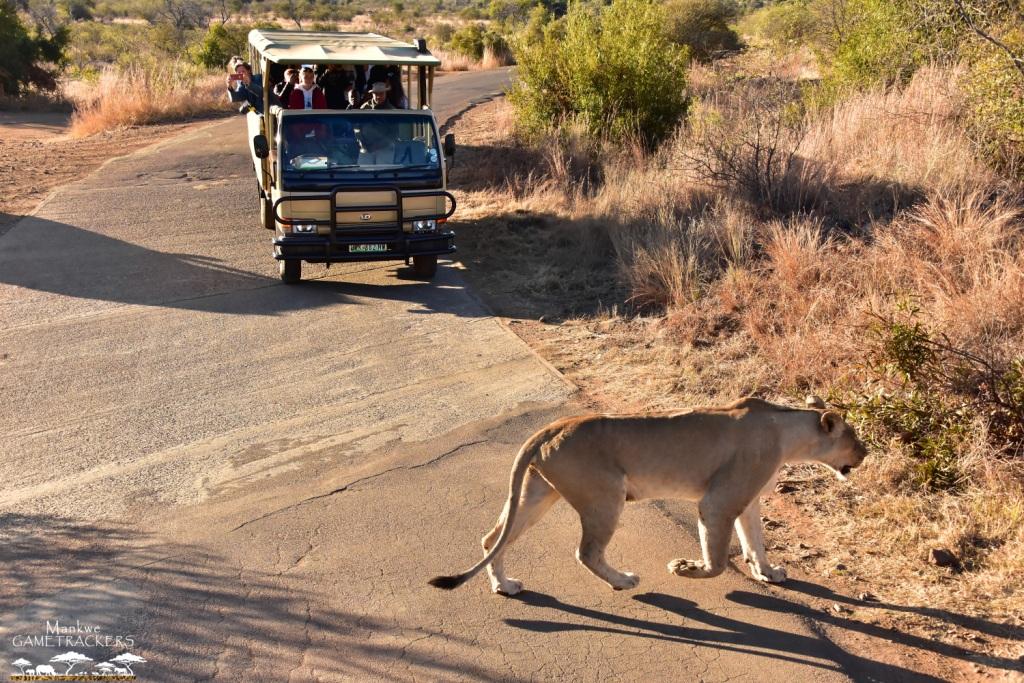
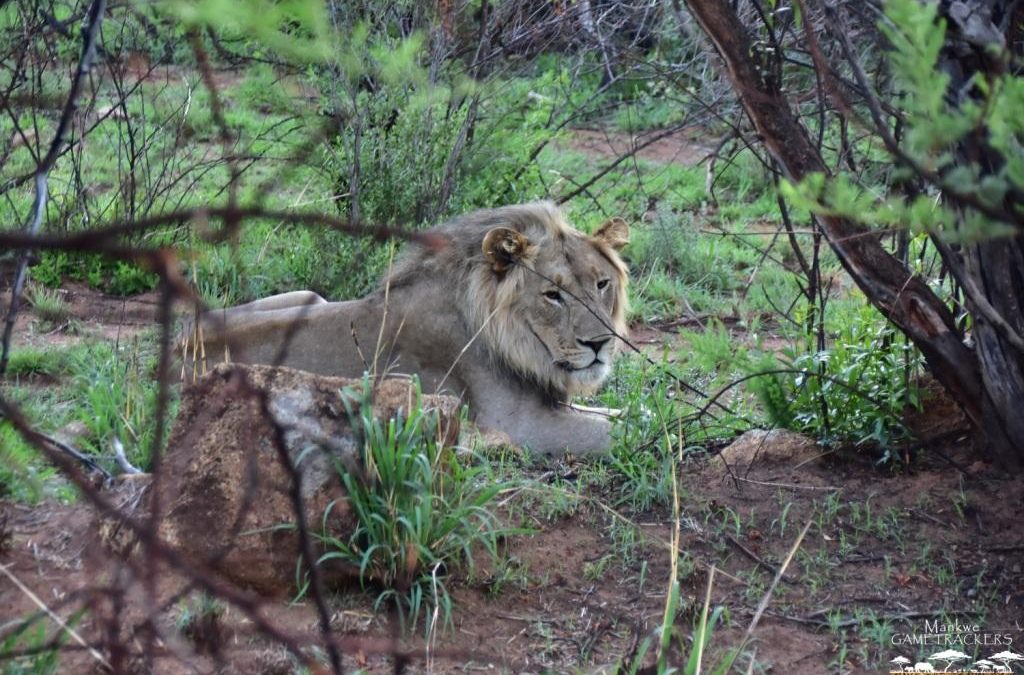
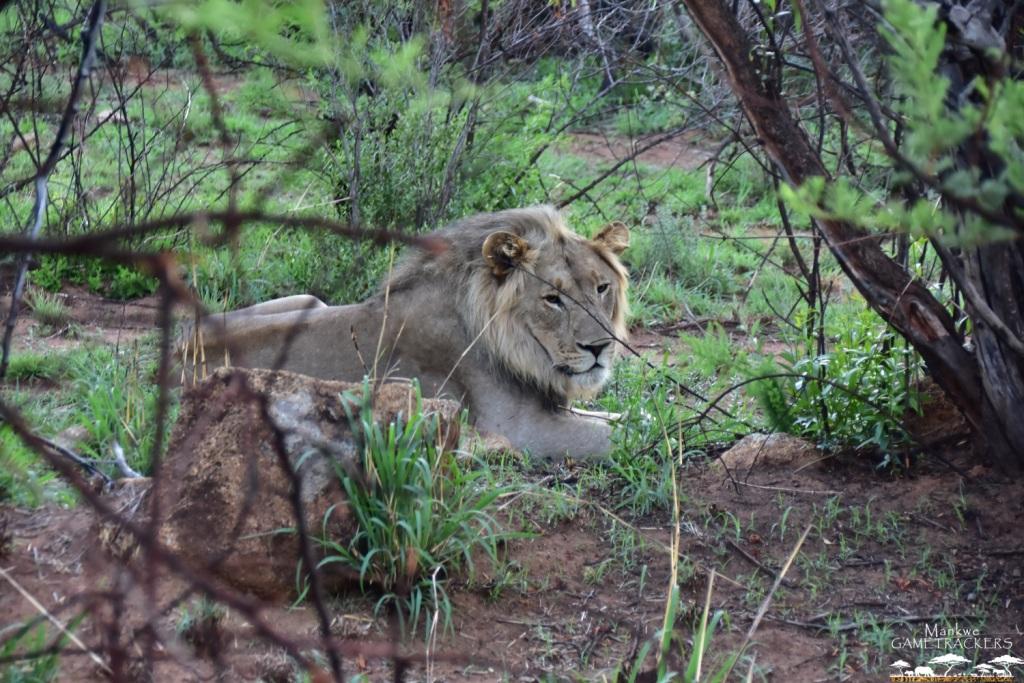
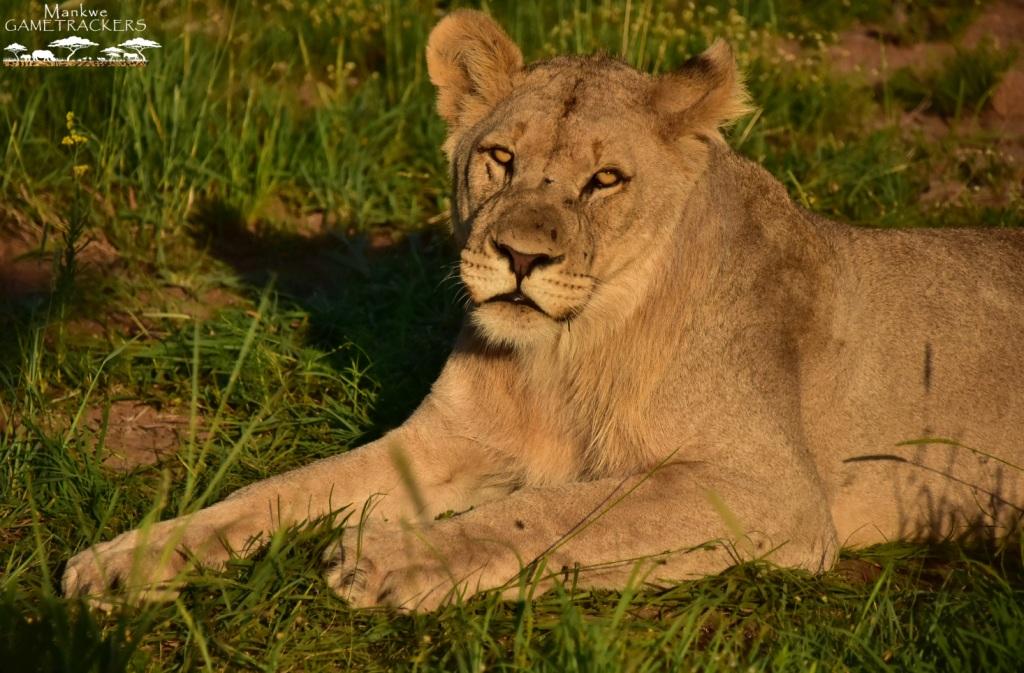
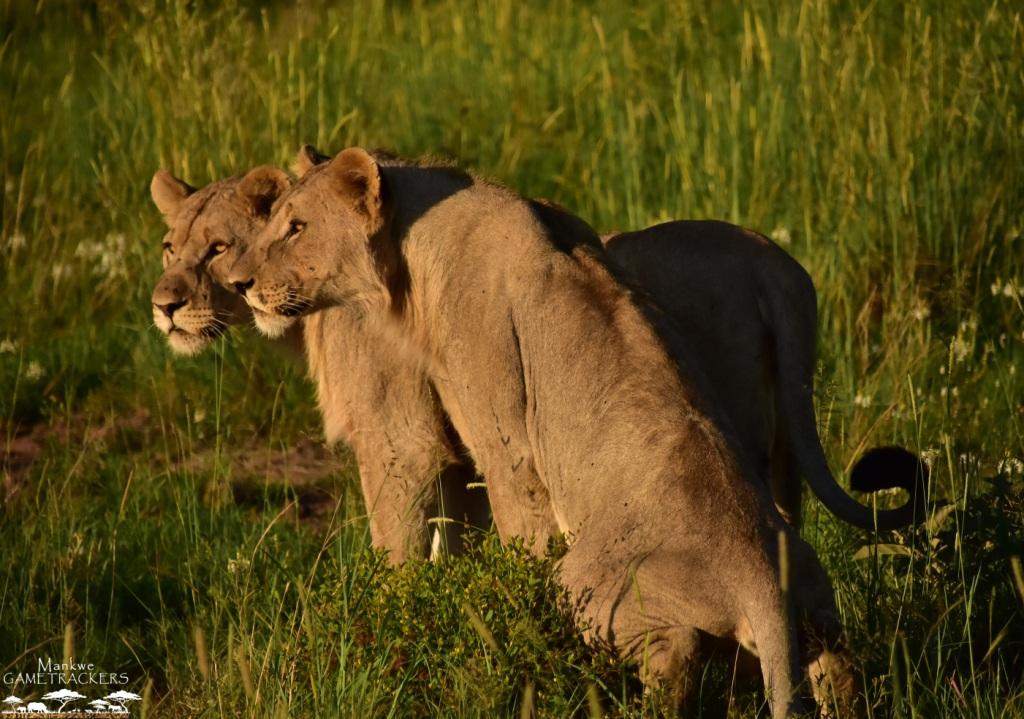
They are also the only truly social cats living in prides. Females within a pride are usually related and will often stay with their pride for life. Males are however chased out of the pride at around the age of three. At this point, they will often lead a nomadic lifestyle or live in a coalition with other males, often their brothers.
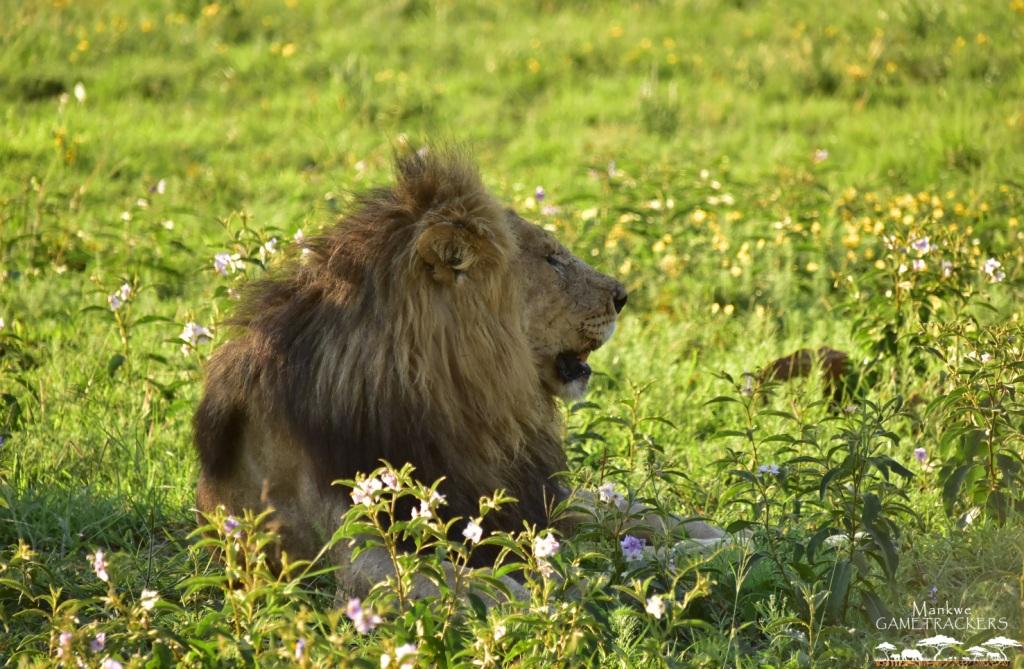
The females in a pride do most of the hunting however the males do offer help, especially to take down bigger prey such as buffalo and giraffe. Male lions will eat first at a kill, while the females and cubs wait their turn. The females put up with this behavior because the males offer protection for the pride. The beautiful big mane of a male not only shows status but also protects the male’s neck during a fight. When other males want to try and take over the pride they will fight the existing male or coalition of males. If they win the new victorious males will often kill any cubs that are still dependent on their mothers (this is known as infanticide). It may seem cruel but by doing this the new pride males are making sure that they spend their time and energy raising and protecting their own cubs.
When hunting lions make use of their protractile claws. The claws are kept sharp by being retracted into a protective sheath when the lion doesn’t need to use them. When the lion is hunting or fighting they contract their muscles and the claws push out.
The large canine teeth are used to catch and kill prey but are useless when it comes to eating. The molar and premolar teeth, however, are very well designed for this task. Being carnivores lions have what is known as a carnassial shear, this consists of the fourth upper premolar and first lower molar. These teeth articulate against each other cutting through meat and sinew. That is why when watching lions on a kill you will see them tilting their heads to the side while trying to chew. If you have ever had a domestic cat lick you, you will know how rough their tongues can be, lions are no different. They have very rough barbs on their tongues which they use not only for grooming purposes but also to remove meat and fur from their prey.
As most of us know lions spend a large amount of their time laying around, even more so during the heat of the day. They also spend time grooming each other and resting close together, all of which is a way of bonding and socializing as a pride.
Lions are apex predators and are at the top of the food chain, however they will give way when confronted by bigger animals.
Every now and then we get breathtaking sightings of these big cats and we love sharing special moments like this with our guests. Last year while on one of our morning safaris we got to share an amazing sighting of lions on a hunt. It is not often that we get to witness a hunt from start to finish. Below is a video of the sighting.
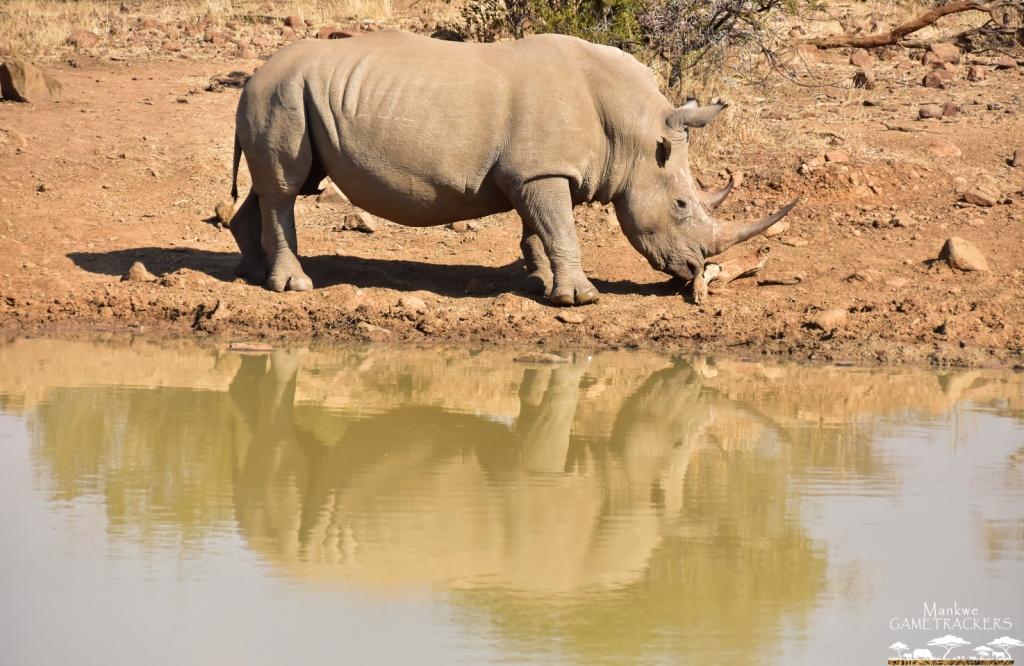
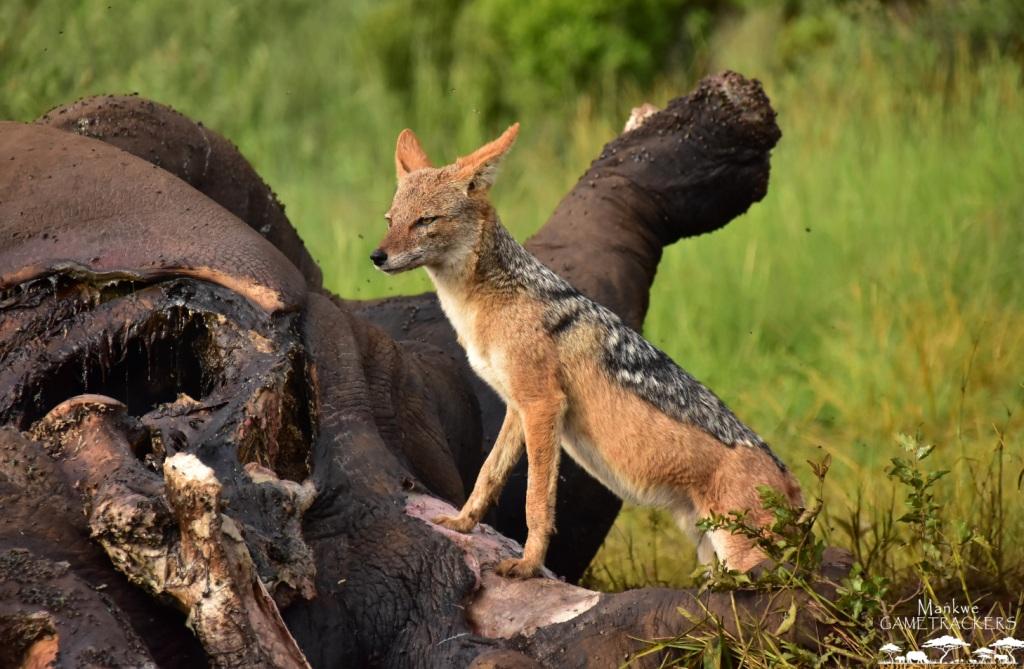
This bull white rhino was killed close to the road and for a few days, there were a number of visitors around the sight. Even some vultures came to investigate which is a rare sighting for us.
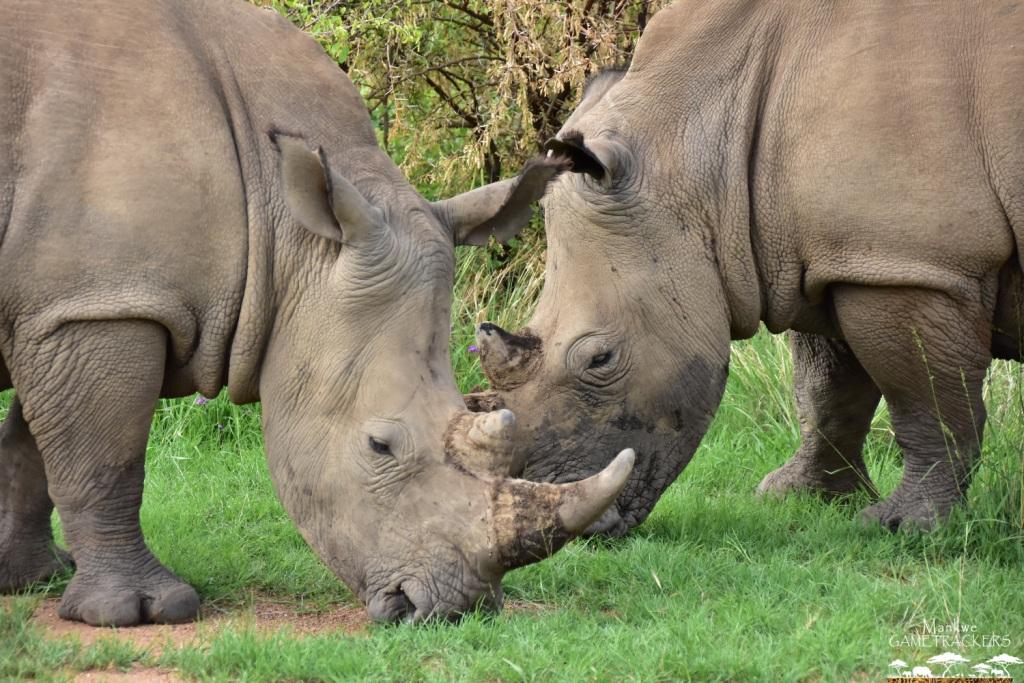
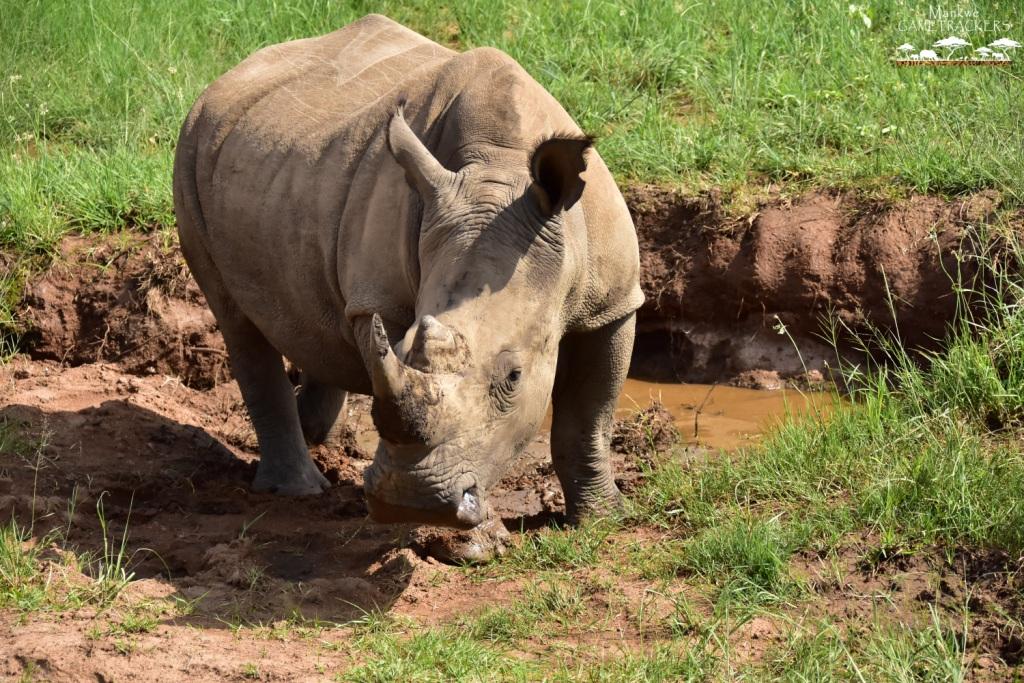
This is how we love to see our rhinos and should be the way we all get to see them for now and many years to come. The Pilanesberg Wildlife Trust and counter poaching team do all that they can to try and prevent a tragedy like this from happening. They have to rely on donations to do what they need to which means that every cent counts. http://pilanesbergwildlifetrust.co.za/
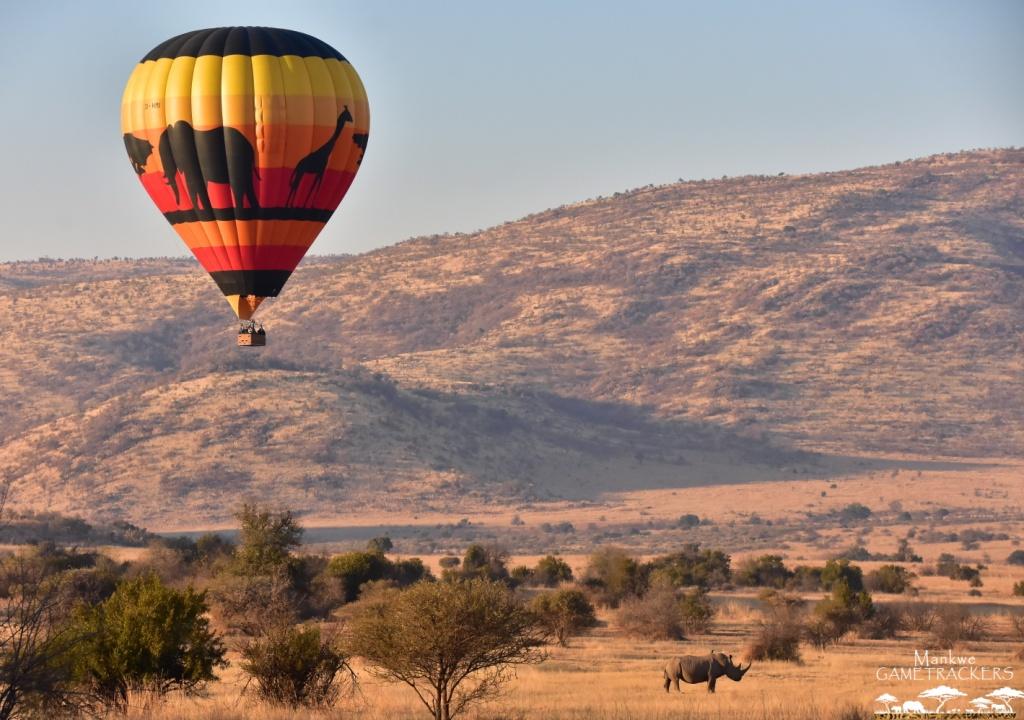
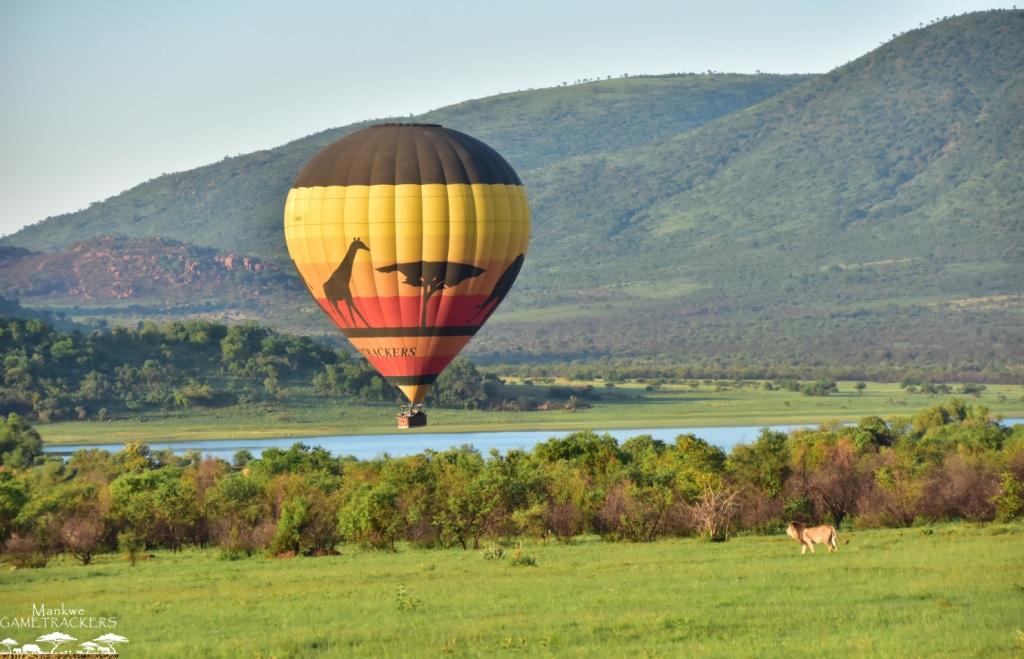
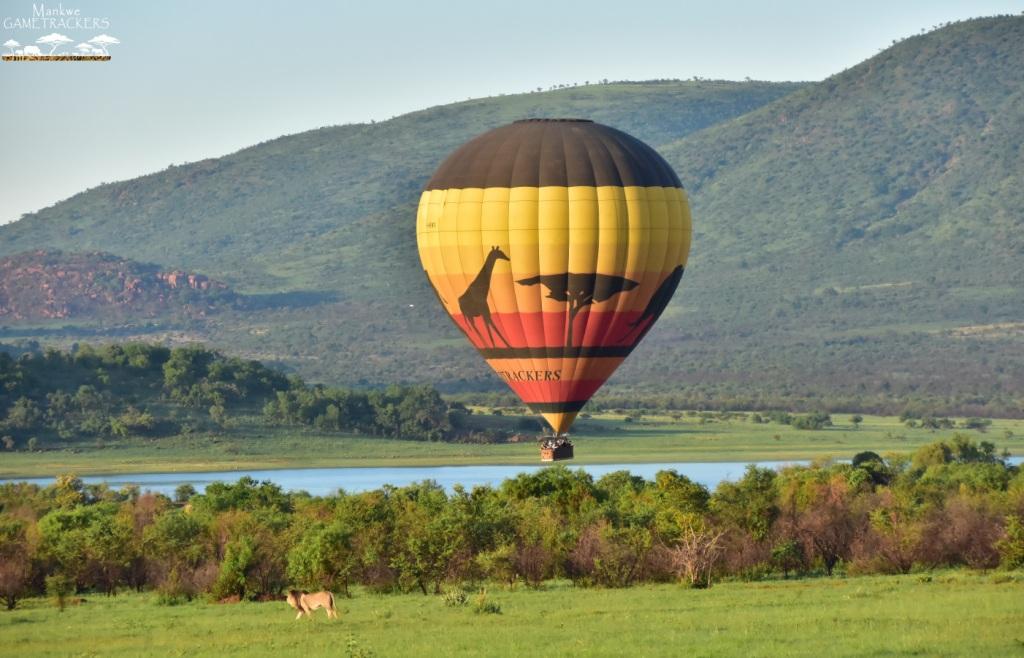
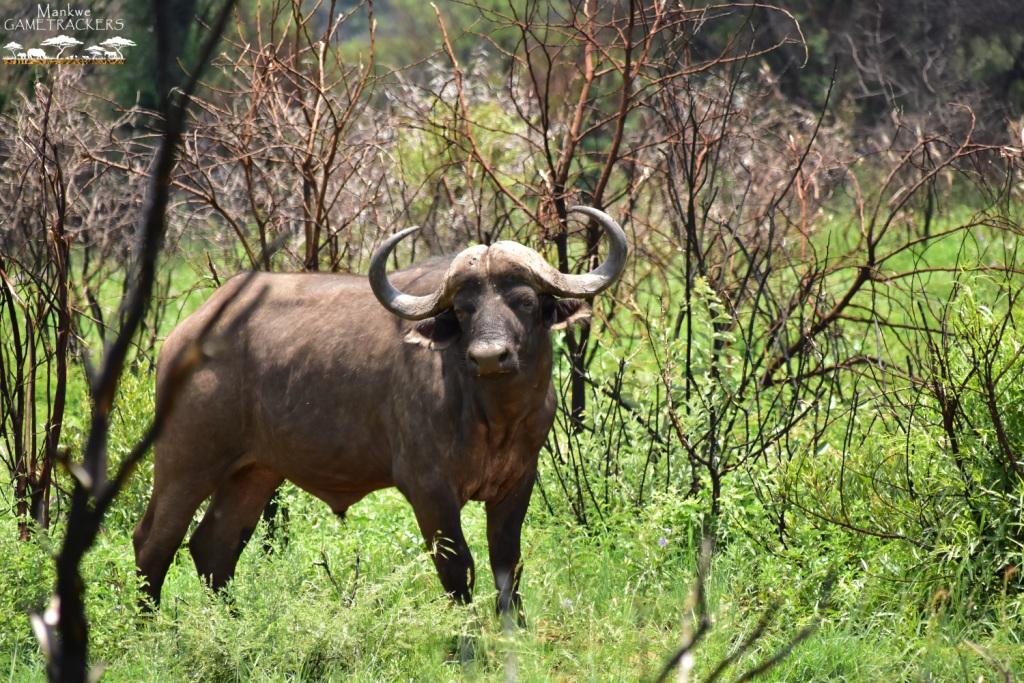
The rains continue, everything is bright green and the bush is starting to get thick again. We have managed to share some great sightings with our guests this month. Including “the ghosts” of the Pilanesberg (Buffalo) and a hot air balloon flight over the king of the jungle.
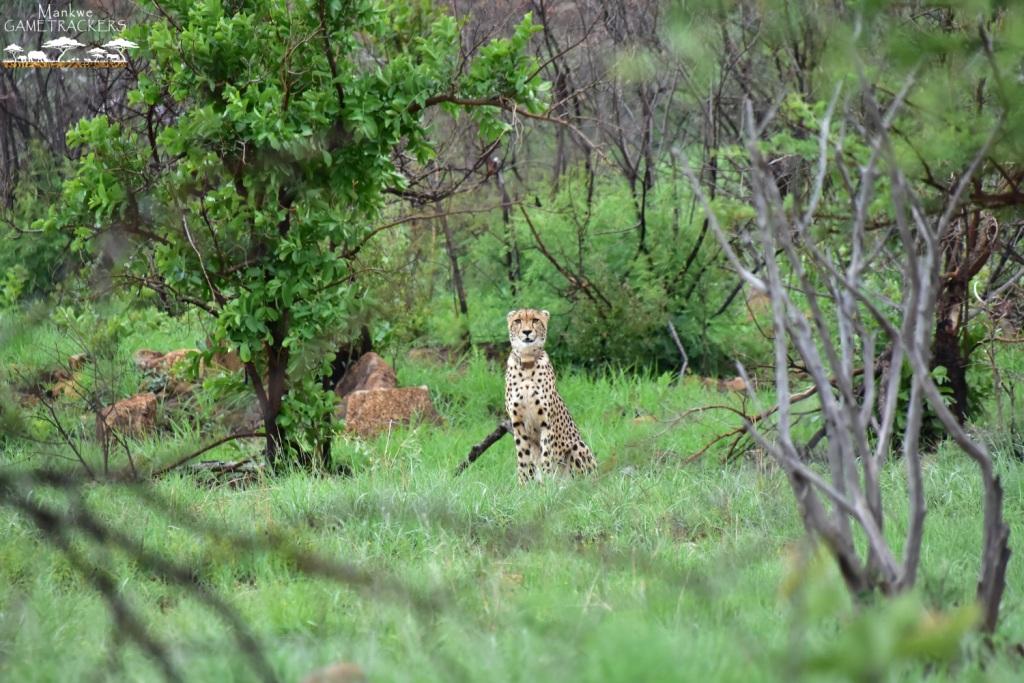
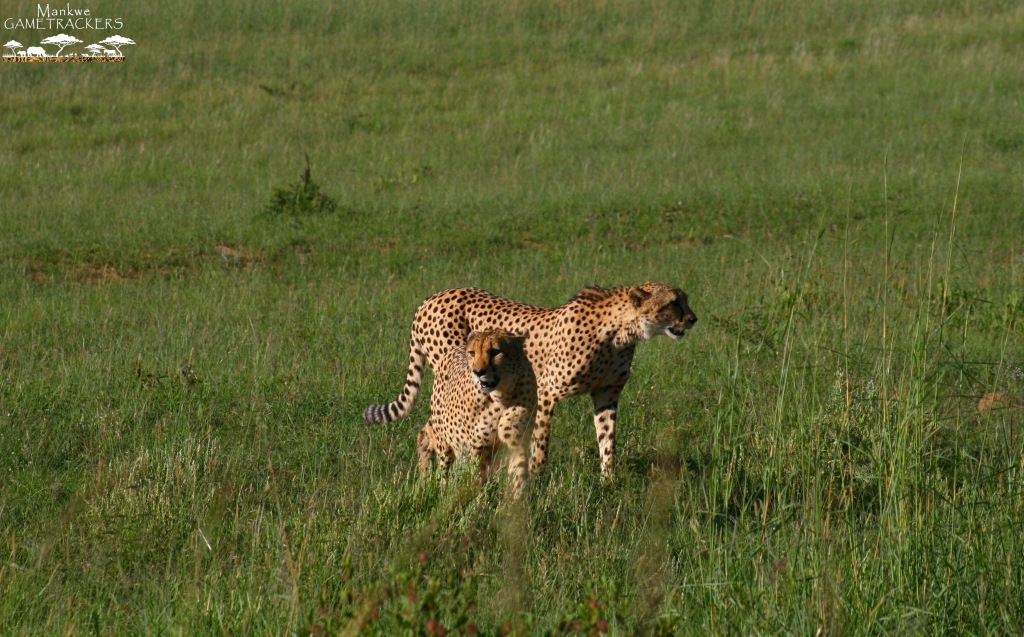
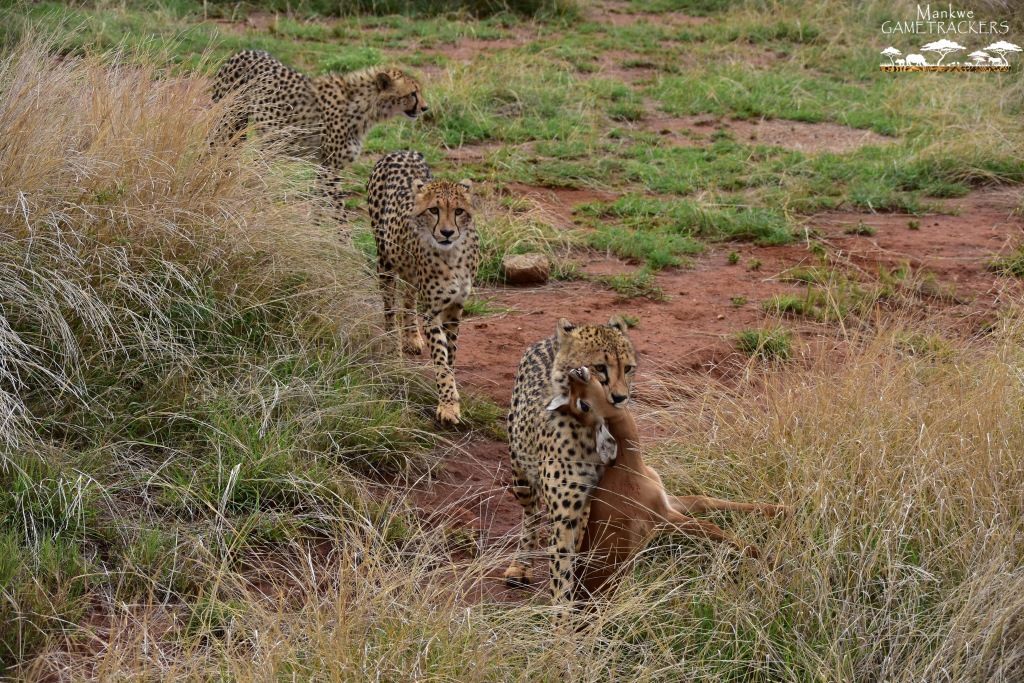
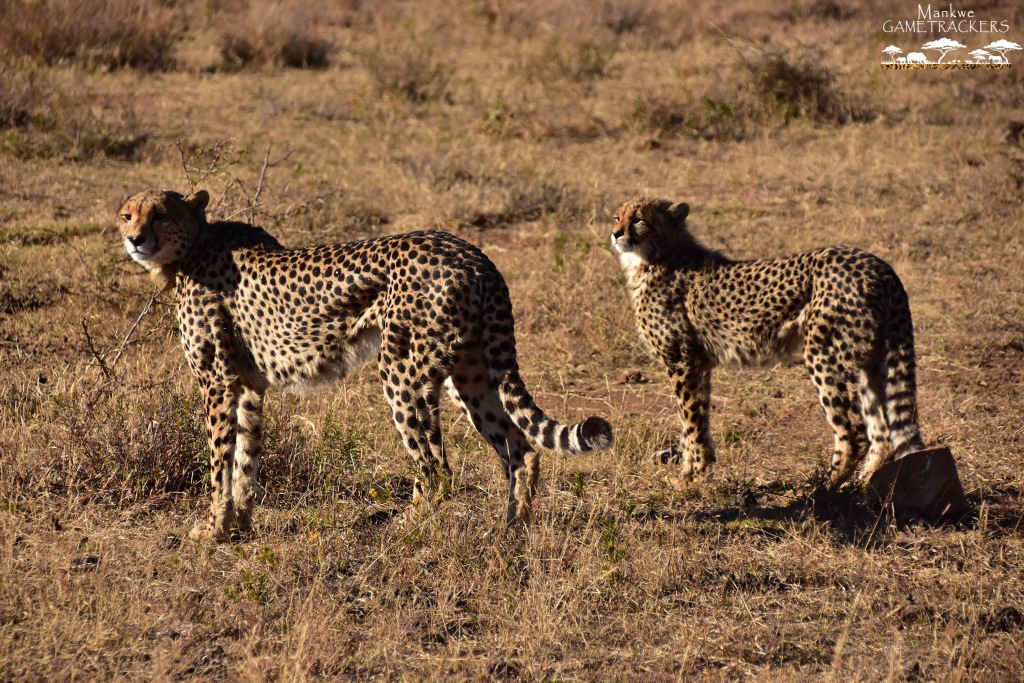
There has been a lot of changes over the last few weeks with regards to the Pilanesberg cheetah population. The Endangered Wildlife Trust (EWT) keeps an eye on the cheetah population and genetics. Cheetahs have to be moved from one protected area to another in order to make sure their genes are spread and inbreeding doesn’t occur. Therefore the EWT makes the decisions on what needs to happen in order to make this possible.
Rains first litter of cubs in the Pilanesberg consisted of three males. These boys had to be relocated a few months back to avoid any inbreeding. This was unfortunately not before they got into a fight with their fathers which ended in both of them curcumin to their injuries.
On the 25 October, two new male cheetahs were introduced into The Pilanesberg National Park from Dinokeng.
So who is still in the reserve and how many cheetahs do we have left?
There are currently 5 cheetahs in the Pilanesberg.
With the new males in the reserve, we are excited to see how the population will continue to grow and hope to share many exciting sightings with everyone.
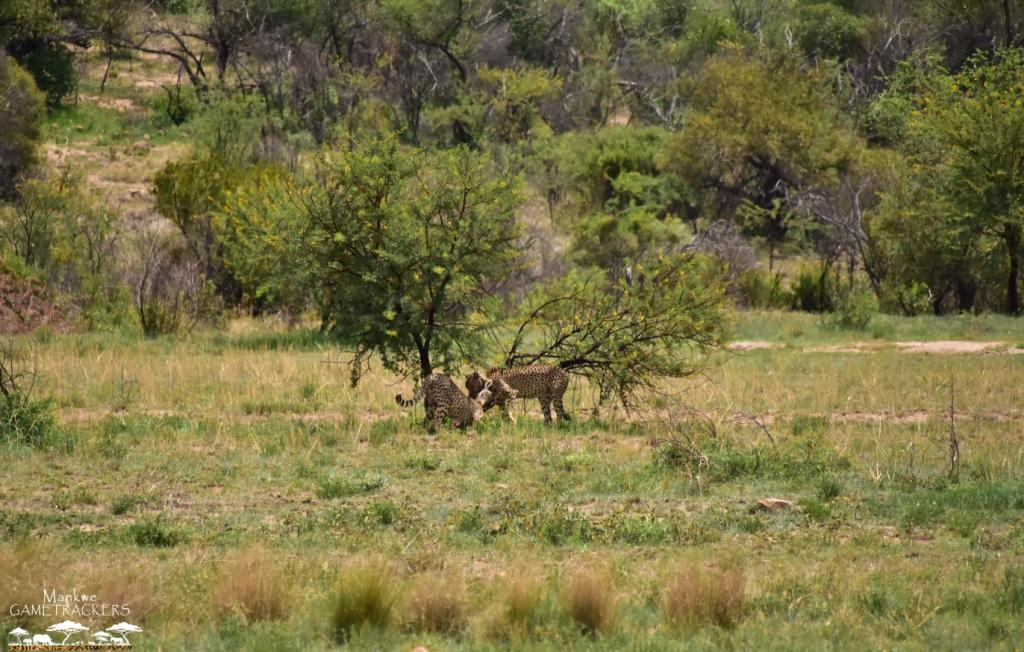
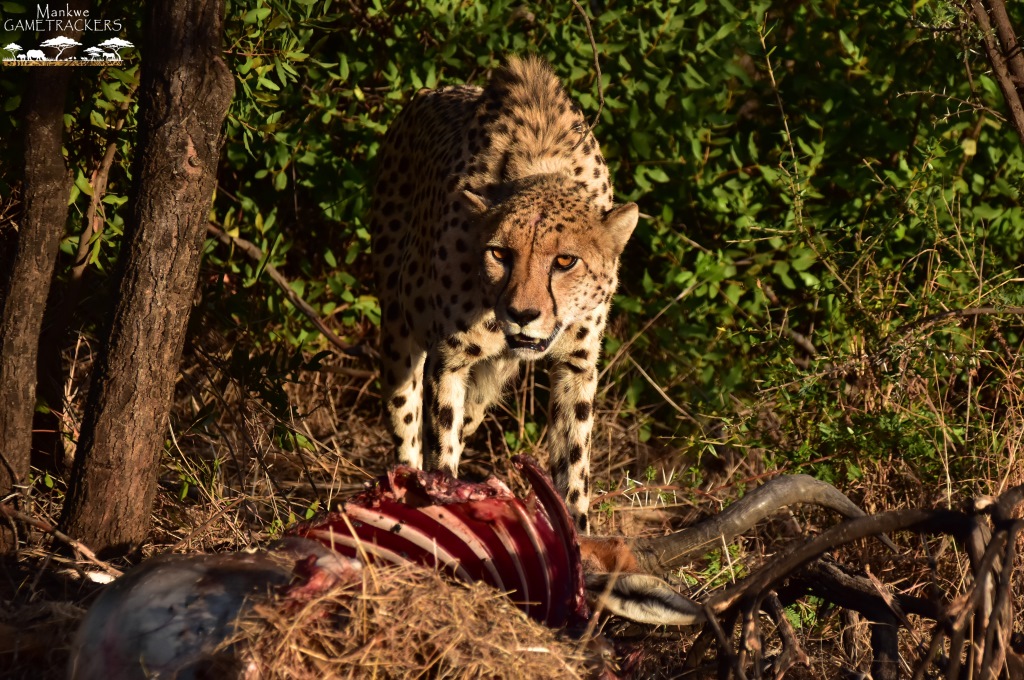
The new boys on the block. The two new adult males that have been introduced into The Pilanesberg National Park seem to be doing well. Here they were seen on a Redhartebeest kill.