Friendship Balloon flight

Friendship Balloon flight
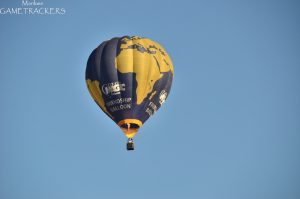
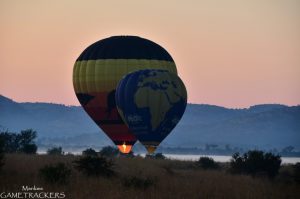
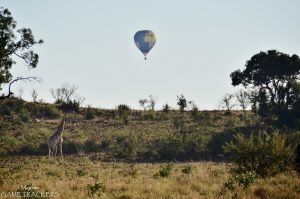
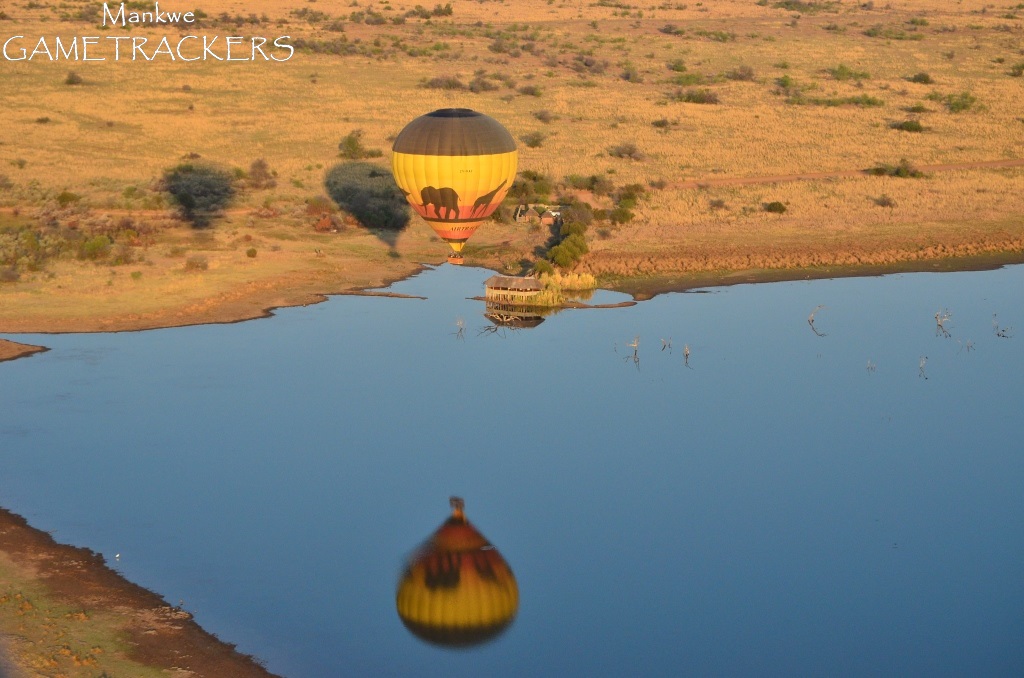
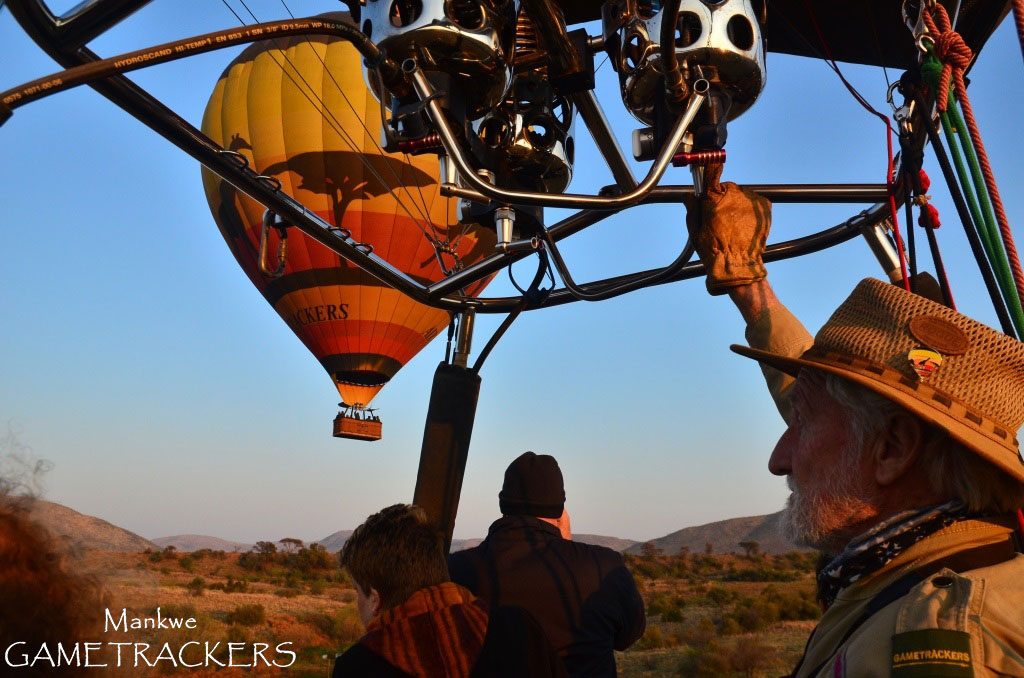
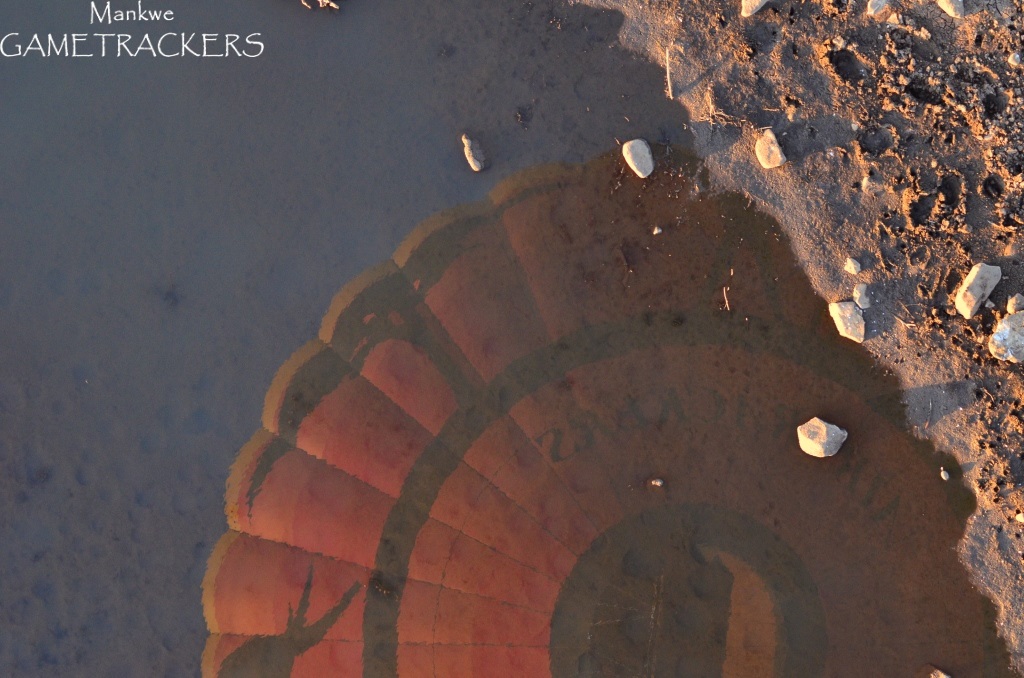
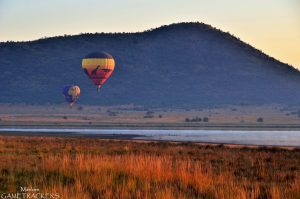
Earlier this month we were lucky enough to have the Friendship balloon fly alongside one of our own in the Pilanesberg National Park. The Ultramagic friendship balloon was created not only to raise funds for various charities but also in the hope to create a new Guinness World Record, as the balloon will be flown by  the largest number of different pilots.

One of the goals is that it can be seen by a large number of people in order to give maximum publicity to its message: “Friendship – a fundamental value for the relationship between people.”

We were honored to be added to the list with one of our pilots, Stuart Groom flying the balloon on its 301st flight.

For more information on this project please visit their website: Ultramagic Friendship Balloon Project
The story of Ike, an ultimate survivor.

The story of Ike, an ultimate survivor.

The story of Ike has been an emotional one that has touched all who have been following it, especially those who have had the privilege of being involved in his journey.

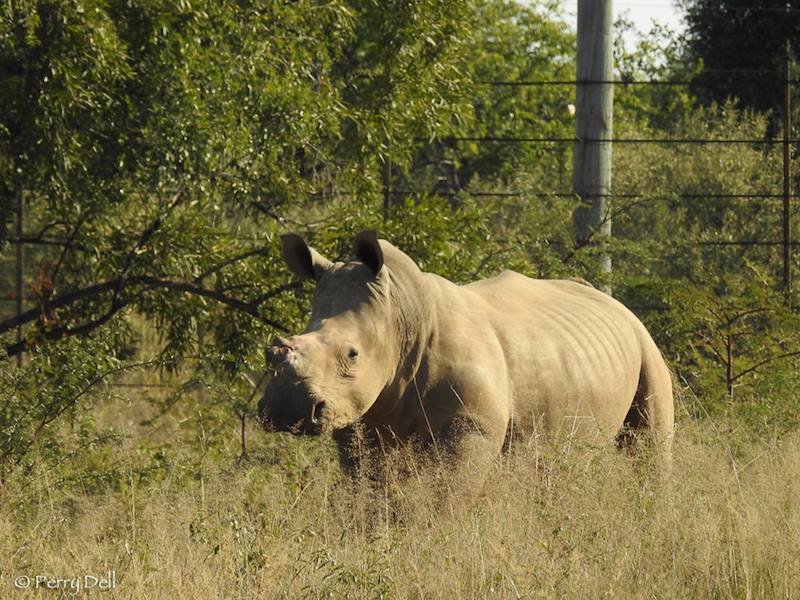
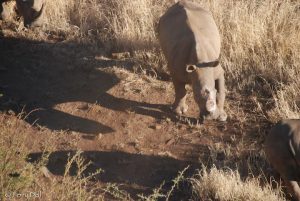
Almost a year ago Ike was discovered by Mankwe GAMETRACKERS operations manager at the time Frank Bouwer, Steve Dell and others while doing a foot patrol through the park. They found Ike wondering around with other rhinos but they could clearly see that his horns had been removed and only wounds remained.

Steve Dell called Rhino-Saving the Survivors, and requested their assistance to help get this boy the treatment he so desperately needed. A helicopter was brought in to find and dart the rhino so that assessment of his wounds and treatment could get underway. It was decided to call him “Ikanyega” – Meaning to put my trust in you, and that is exactly what this young rhino had to do.

A view of Ike from the helicopter just before he was darted. You could tell that his horns had been hacked off by poachers.
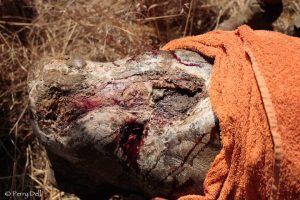
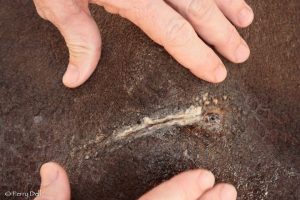
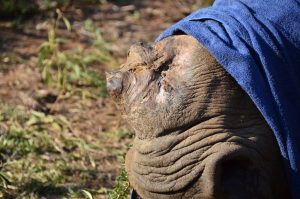
On assessing Ike’s wounds it was thought that this poaching incident had happened about two months before he was found. He had a bad infection that had even spread to the bone.

As if he hadn’t been through enough they discovered two bullet wounds and a slash from what is thought to be a punga on this poor animal. The fact that he survived all of this is just phenomenal.

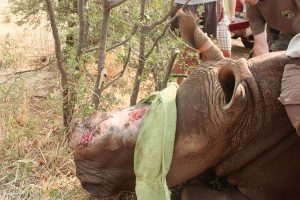
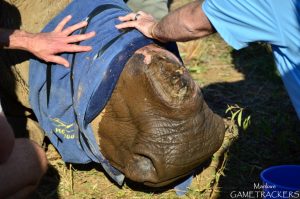
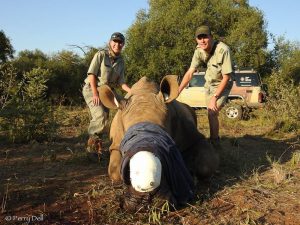
The wound was cleaned and the damaged bone removed, as much as possible, Dr Steenkamp put strips of calcium-alginate on Ike’s wounds to assist the healing process as well as special medical honey. Ike had to have a special cast bolted over his face to protect his wounds and keep the healing materials in place for as long as possible. He was moved to a safe place in order to be monitored and for treatment to continue.

Ike has a strong will to survive and his wounds have been healing well, even after he removed his cast more than once.
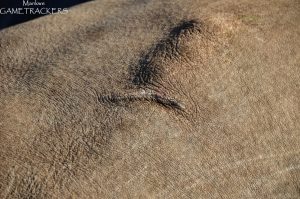
Even the wound where the punga had cut him has healed well.
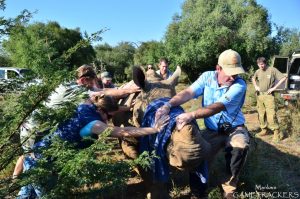
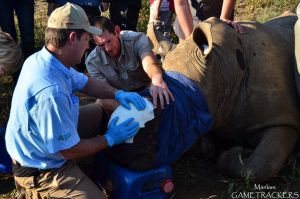
Ike had healed so well that part of his horn had even started to grow back. Due to the extensive damage caused by the poachers it was growing back in a strange pattern. Even this little stump is of value and would make him vulnerable to poachers yet again. It was for those reasons that a decision was made to surgically remove the piece of horn in such a way that it will not grow back. Some of the Mankwe GAMETRACKERS team had the privilege of assisting in the process.

The team moving Ike into a suitable space.

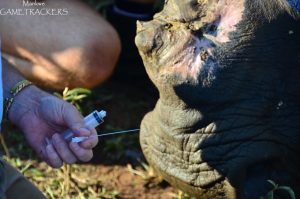
An anesthetic injection to numb the area

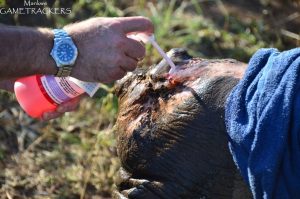
Cleaning of the area has to be done to avoid infection

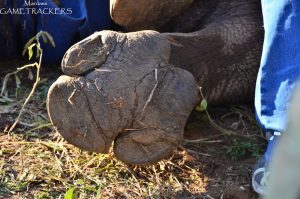
Ike’s front foot, you can clearly see his three toes

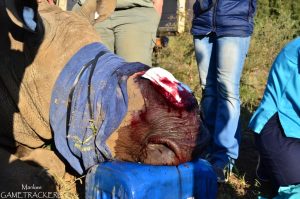
The wound after the horn stump was removed
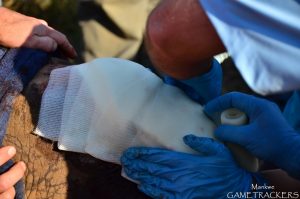
Placing new dressing on the wound
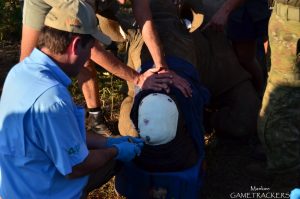
Placing the protective cast over the dressing
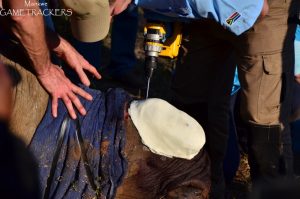
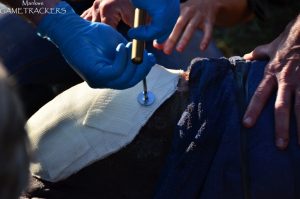
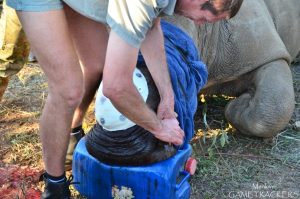
Bolting the protective cast in the hope that Ike won’t remove it
Checking everything

Ike’s journey is not yet over, he has a long road ahead which will hopefully end with him being relocated to an area with some females where he can start a new and better chapter of his life. The Mankwe GAMETRACKERS team would like to wish this ultimate survivor the best of luck. We would also like to commend Steve and Perry Dell and the rest of the Pilanesberg National Park Wildlife Trust team for the phenomenal work that they do. The Saving the Survivors team are doing amazing work, Ike’s story is just the tip of the iceberg in a battle that they deal with everyday.

The Leopard and the Terrapin

The Leopard and the Terrapin

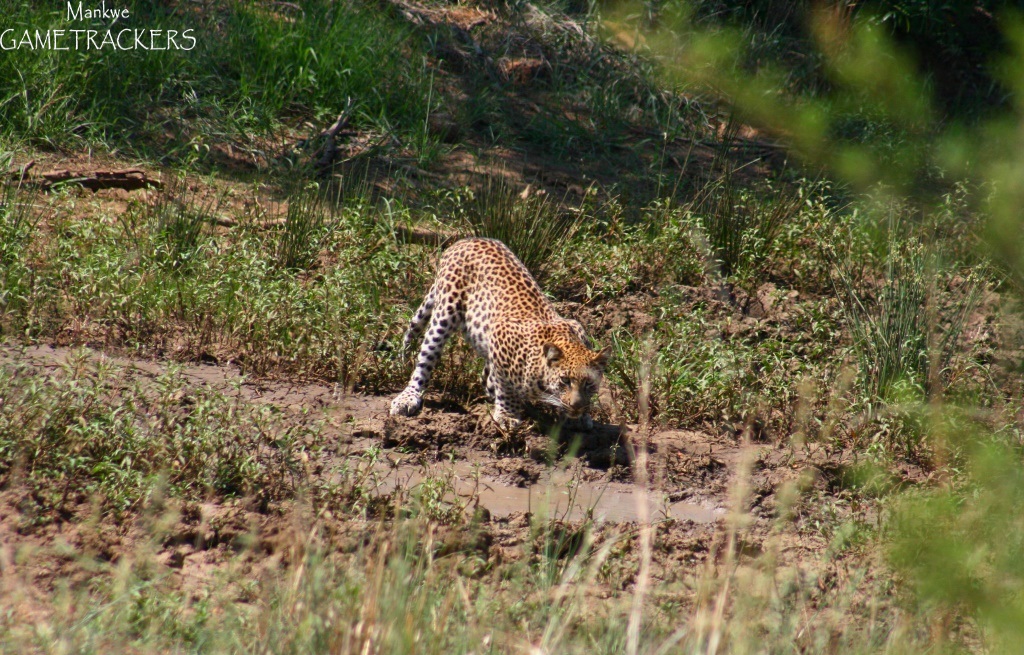
While on a morning game drive we came across a leopard that was captivated by something moving around in a shallow mud pool. We watched for quite a while as it pawed and mouthed at the mud trying to pick up something.

Eventually it moved off, with a terrapin in it’s mouth! This was something totally unique to see. Leopards are just like your house cat and have the instinct to catch anything that moves.
It wouldn’t necessarily eat the terrapin but possibly just play with it, until it looses interest. Leopards are known to catch all sorts of unusual prey including fish and other smaller creatures.

Meet “Rain” and her three cubs.

Meet “Rain” and her three cubs.

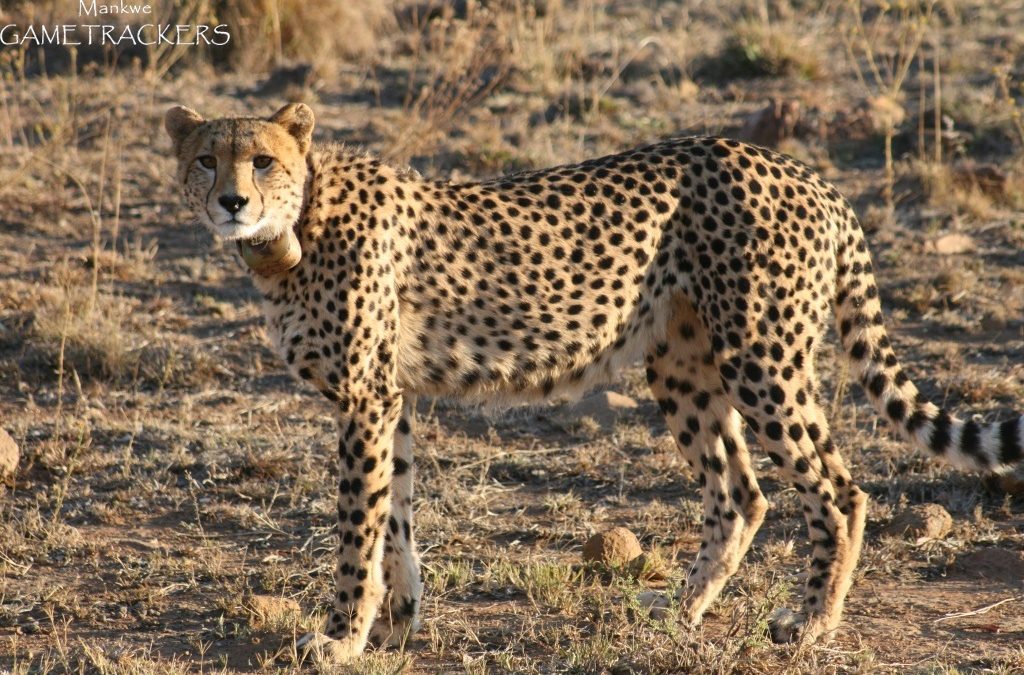
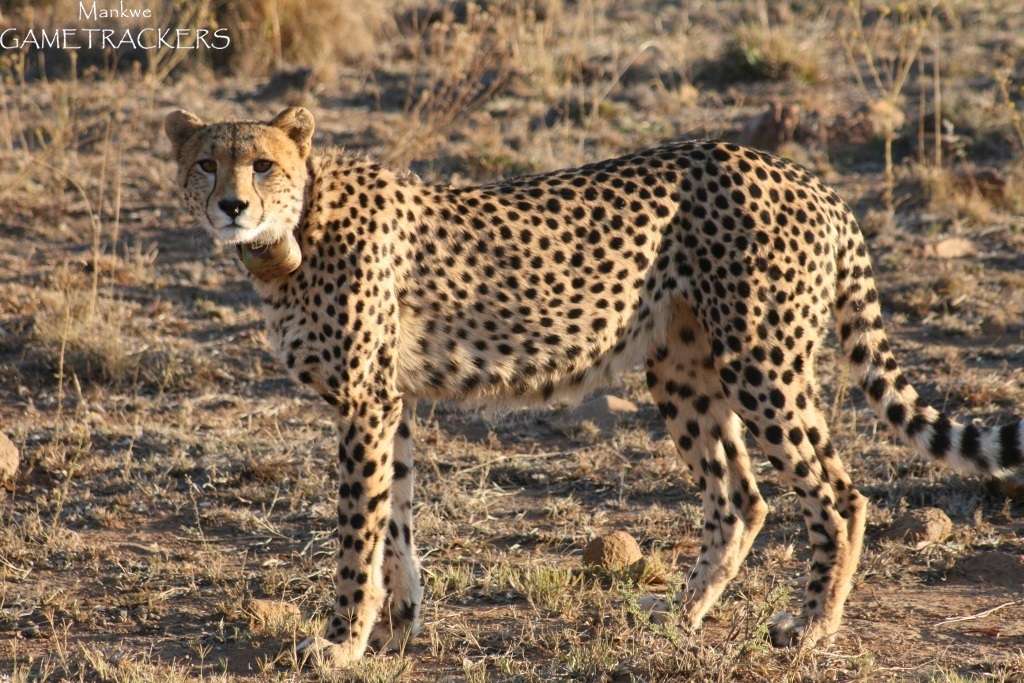
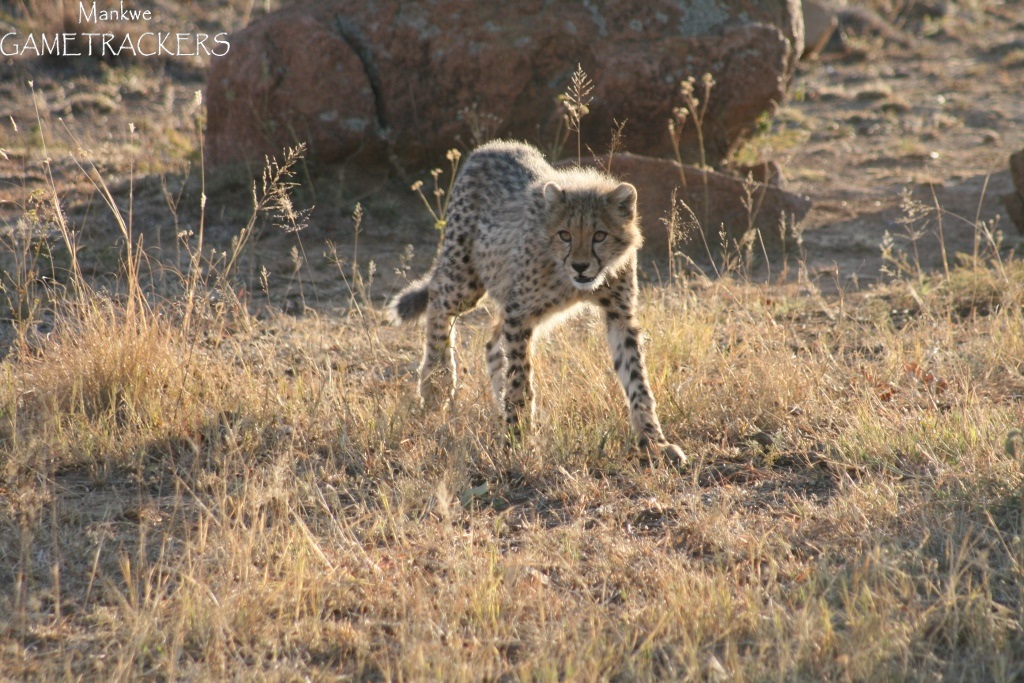
This is Rain, the only female cheetah in the Pilanesberg National Park.

Rain has such a fantastic story to tell. She was relocated to the Pilanesberg National Park on the 11 April 2014. At that stage there had only been a coalition of two cheetah brothers seen in the park over the last couple of months. It is very difficult to find wild cheetahs to reintroduce as they are highly endangered. Everyone was extremely excited the day the news came that “Rain” was released into the park. Rain was very nervous of cars and game-viewers when she first arrived but as time went on she became more relaxed with all of us.

In November 2014 we were all very exited when the news came out that what we had all been waiting for had happened!

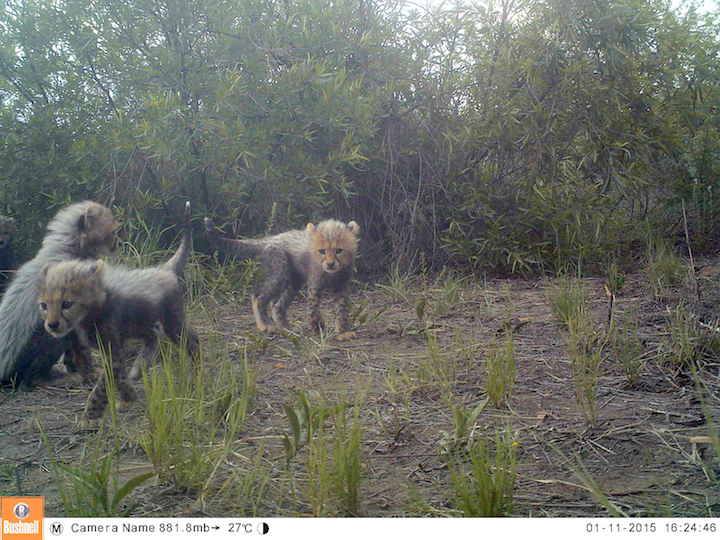
Rain had had four cubs (little balls of fluff).
A camera trap in the park had managed to get photographic confirmation.

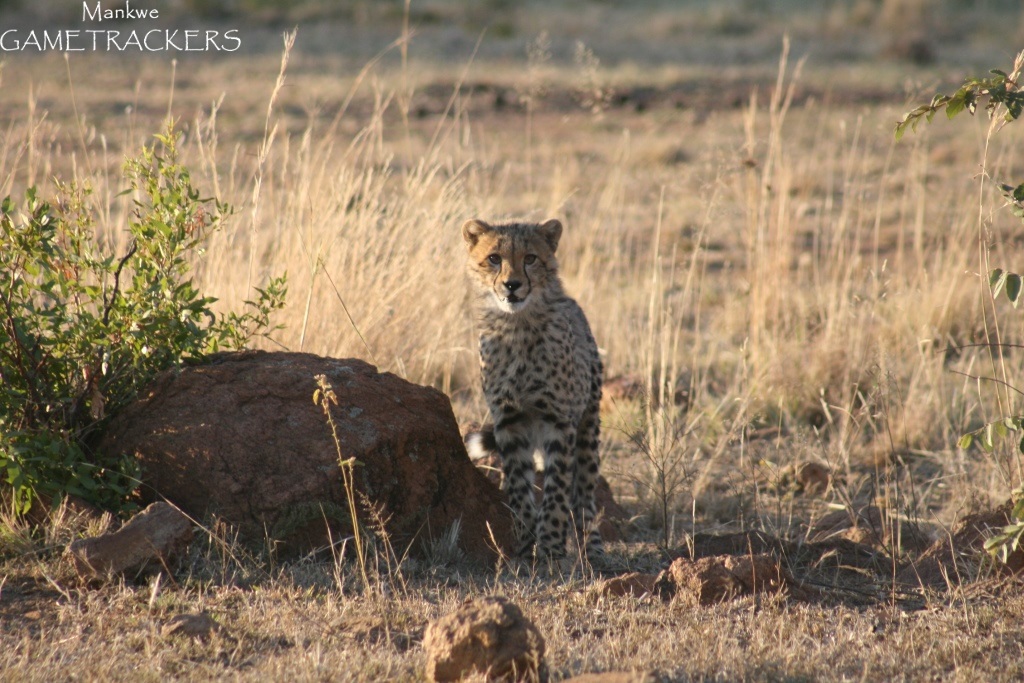
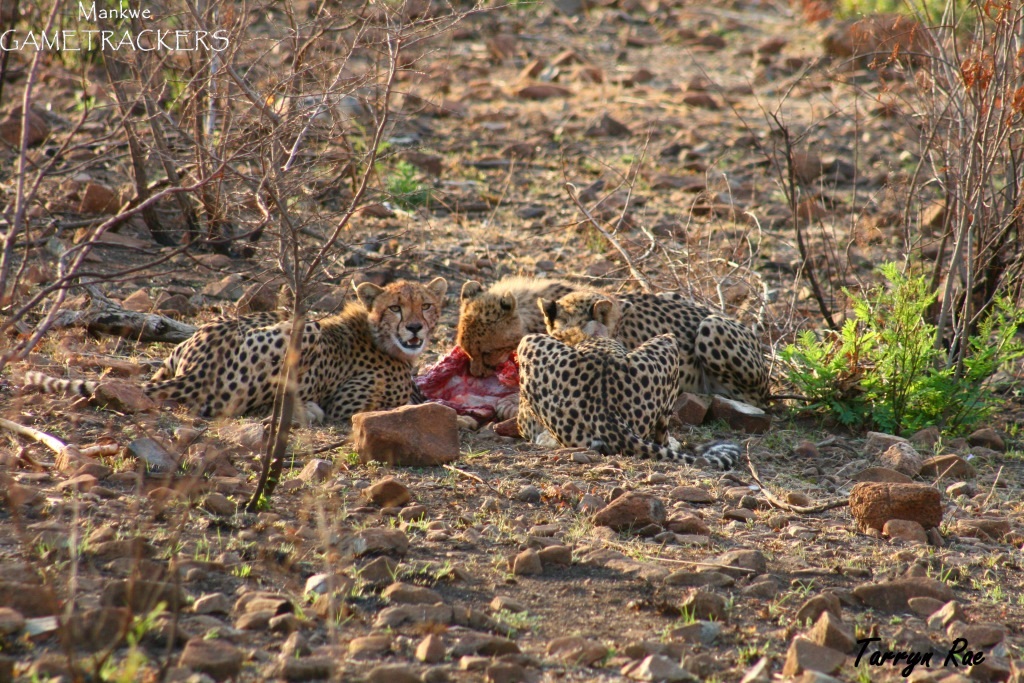
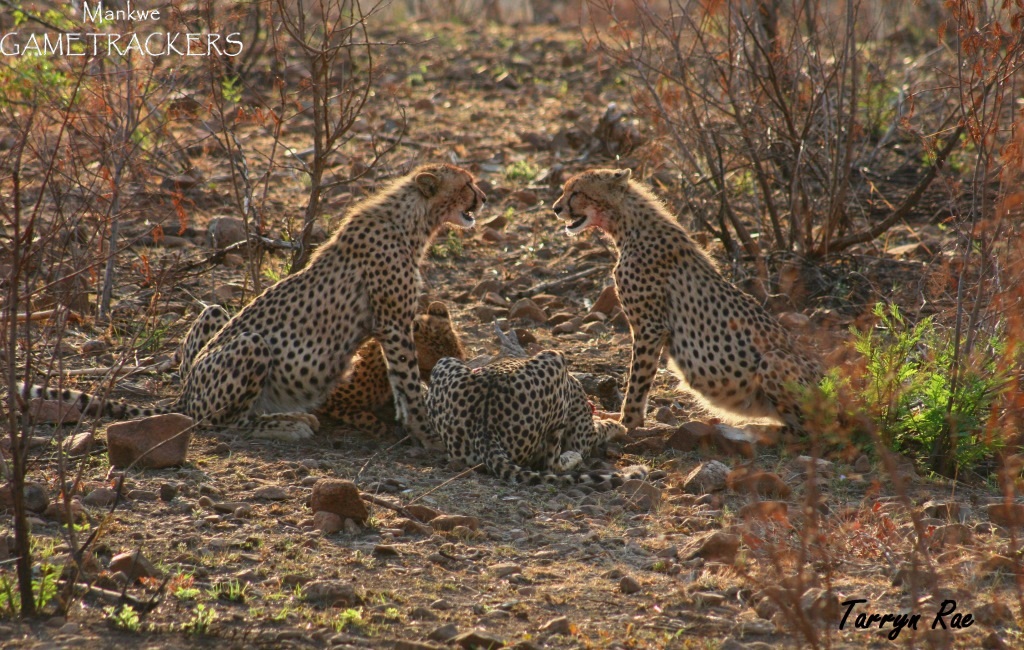
Rain turned out to be fantastic mom, she knows exactly how to avoid lions and thrive in her surroundings. Unfortunately cheetah cubs have a high mortality and when the cubs were around 4 months something happened to one of them and she was left with three. The fact that she has done so well with these three is a fantastic success story. The cubs have grown very quickly and move with mom all over park. It is always exiting when we get to see them on one of our game drives or sometimes from the hot air balloon.

The cubs have turned out to be three males, which is a good thing for them as they will probably form a coalition and stay together after they leave mom. Rain has been teaching them how to hunt and they are getting better and better.

They are reaching the point now where Rain will leave them and they will be on their own to become adults and eventually have youngsters of their own. In the last couple of days we have been seeing the boys on their own so it seems as though this time has come.

How to tell the difference between male and female Giraffes.

How to tell the difference between male and female Giraffes.

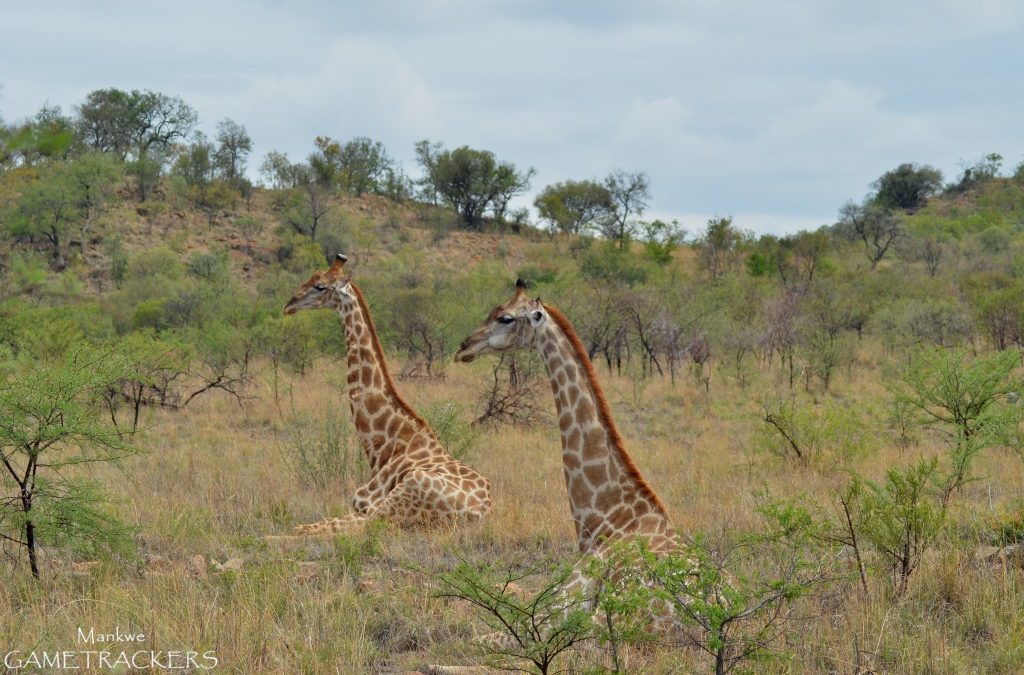
Ever wonder how to tell the difference between a male and female Giraffe even if you just see their heads above the trees?

In the above photo the male is on the left and the female on the right. Both male and female Giraffes have ‘horns’ which are actually called ‘ossicones’. These Ossicones are formed from ossified cartilage and are covered in skin. The male has larger ossicones which they use for sparring, causing all the fur to rub off leaving grey bald spots on top of them. The females however don’t fight so their ossicones are thinner and you can see the fur standing up on them.

Take to the skies

Take to the skies

Ever wonder what it would be like to float on a cloud?

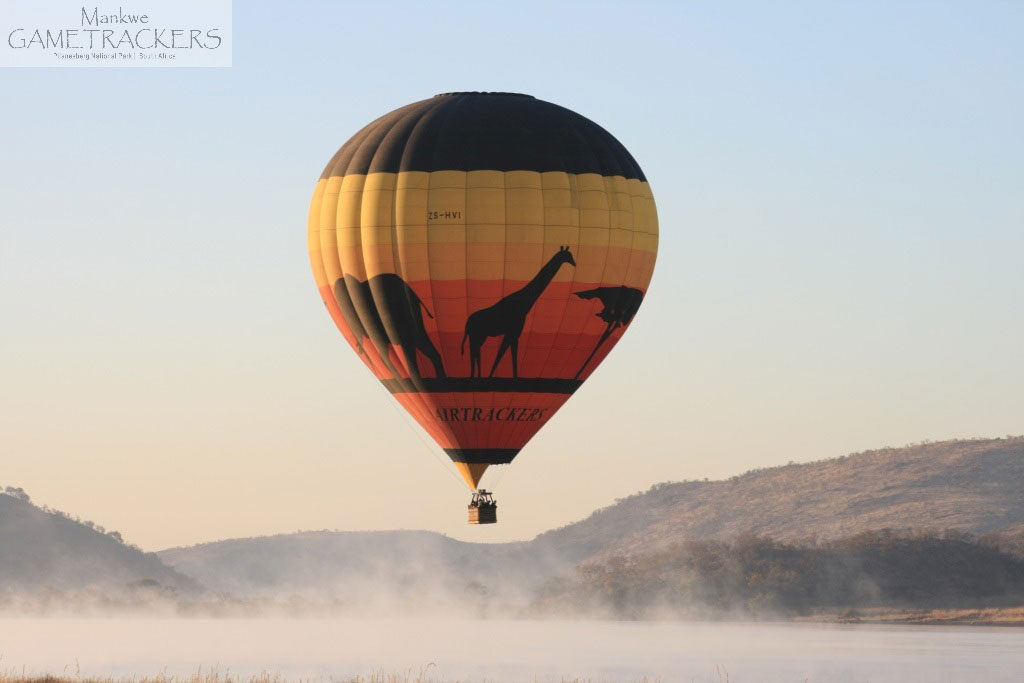
Treating yourself to a hot air balloon flight is the closest you can get.

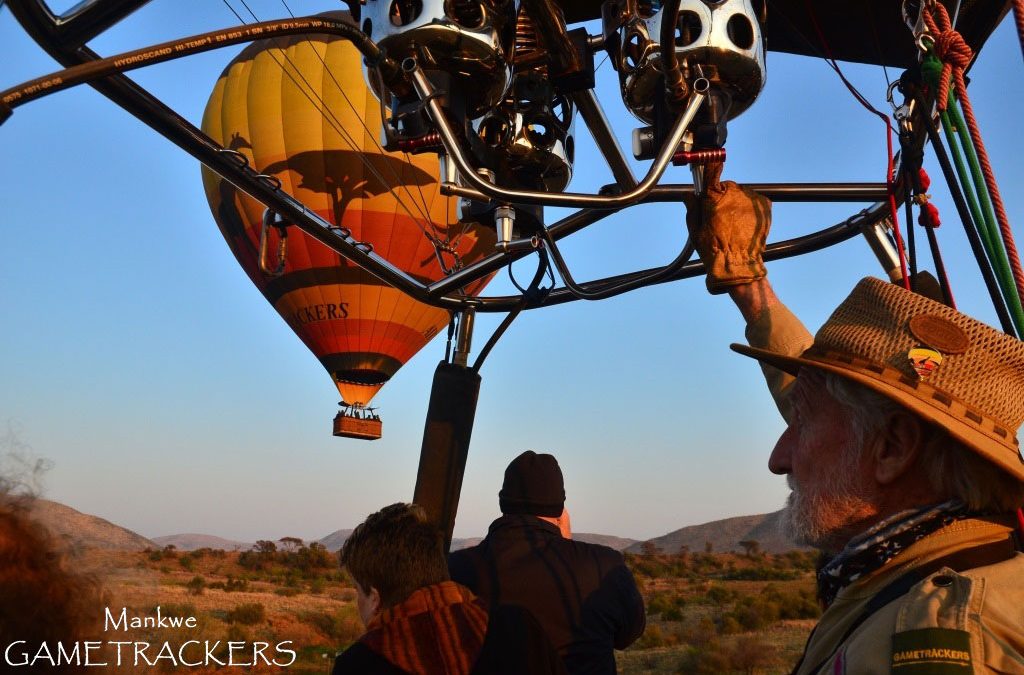
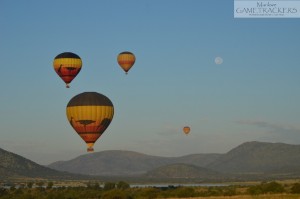
What better place to do this than over the Pilanesberg National park. Pilanesberg boasts some of the most magnificent views with its rolling hills and natural Bushveld. The peace and tranquility from the air is just indescribable, hearing the birds and sometimes the lions roar as you float above the trees.

Let our pilots share their wealth of knowledge with you as you have a birds-eye view of this 1.3 billion year old extinct volcano.

This is something we think should be on everyone’s bucket list. With a hampagne celebration after you land and a buffet breakfast at one of the bush lodges, it will be a morning to remember.

Language »