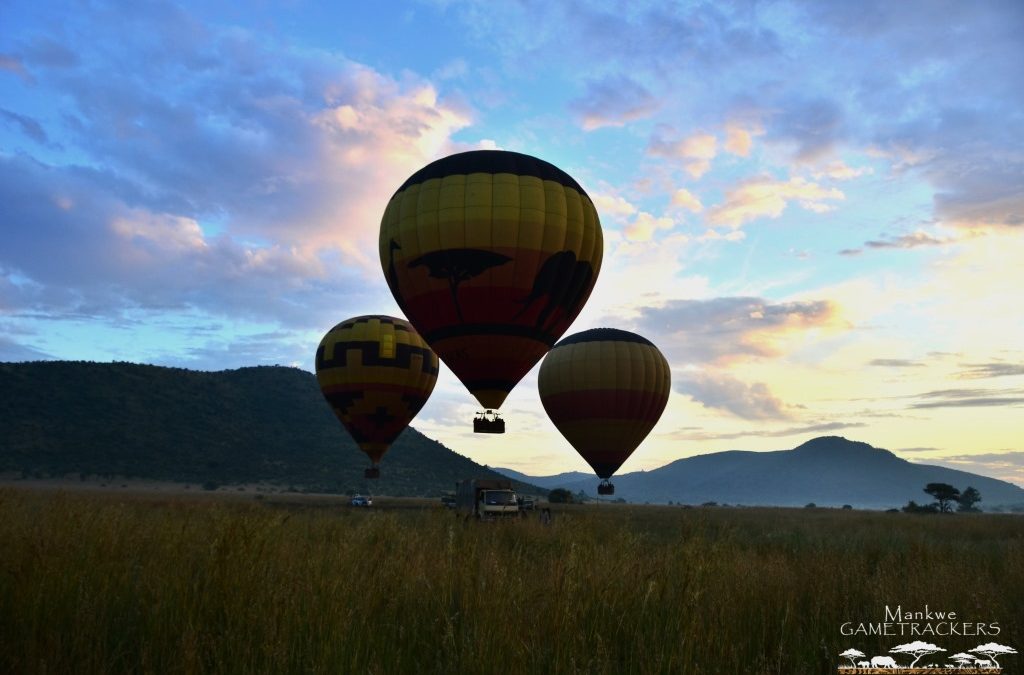
Take to the skies 2.

Take to the skies 2.

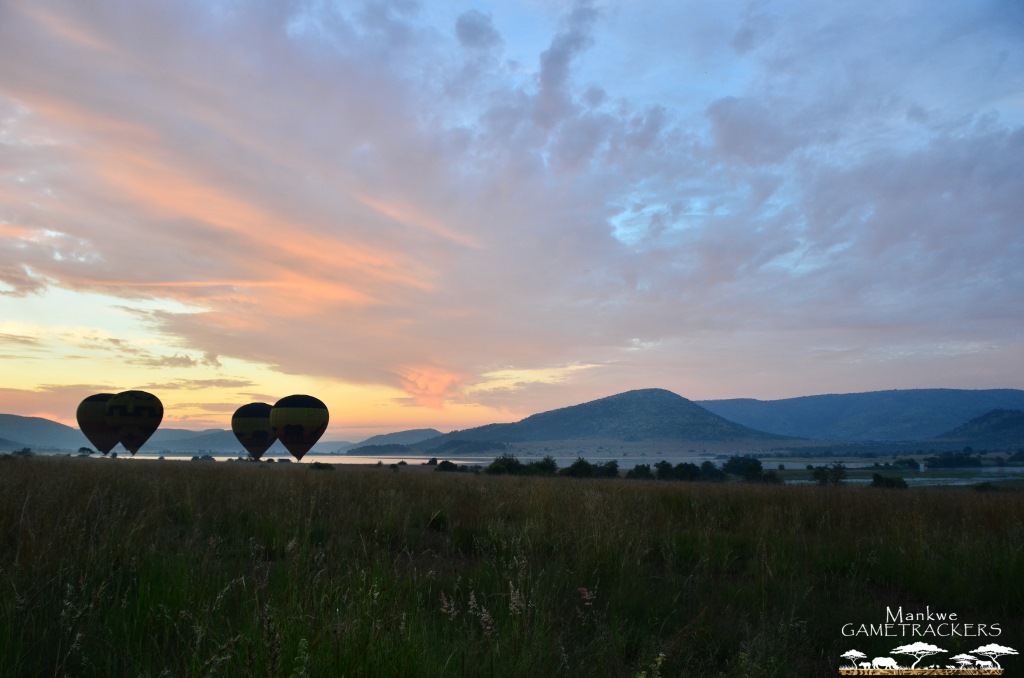
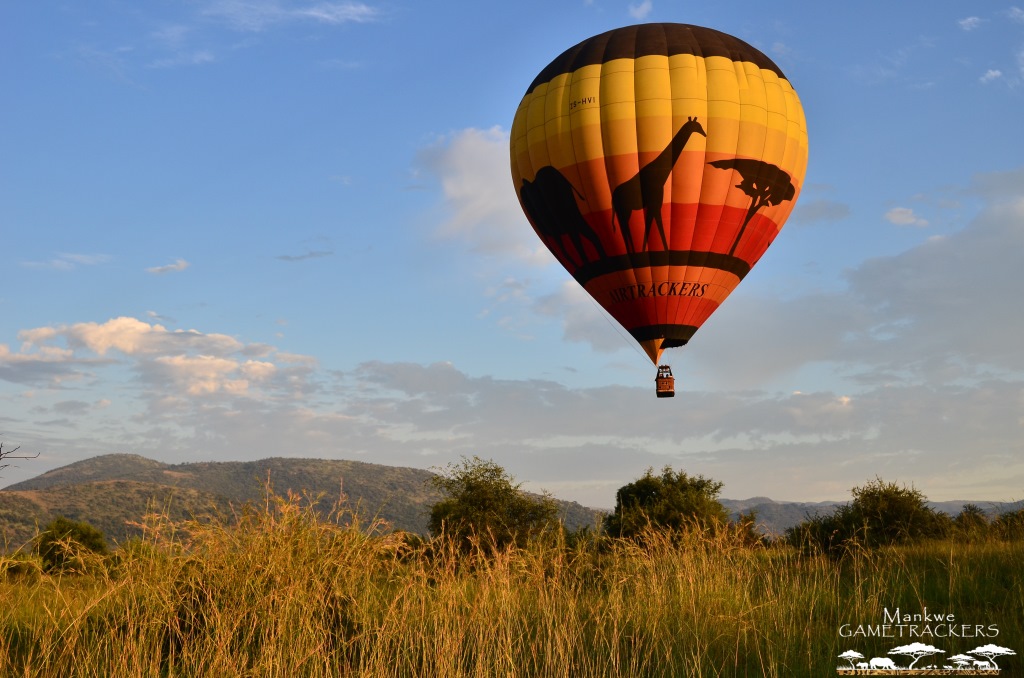
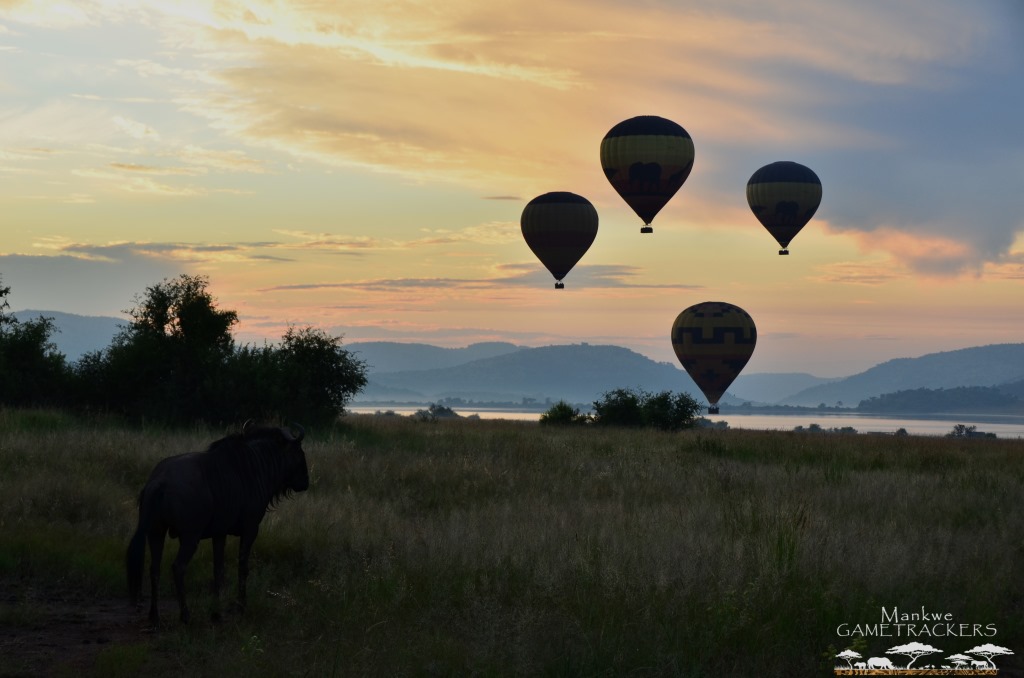
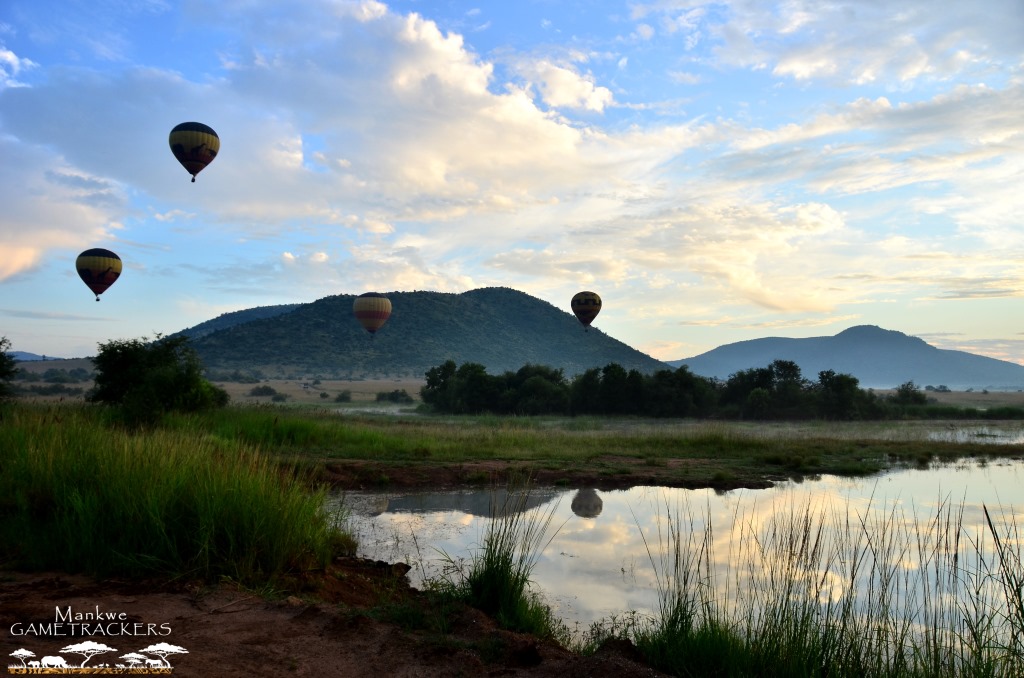
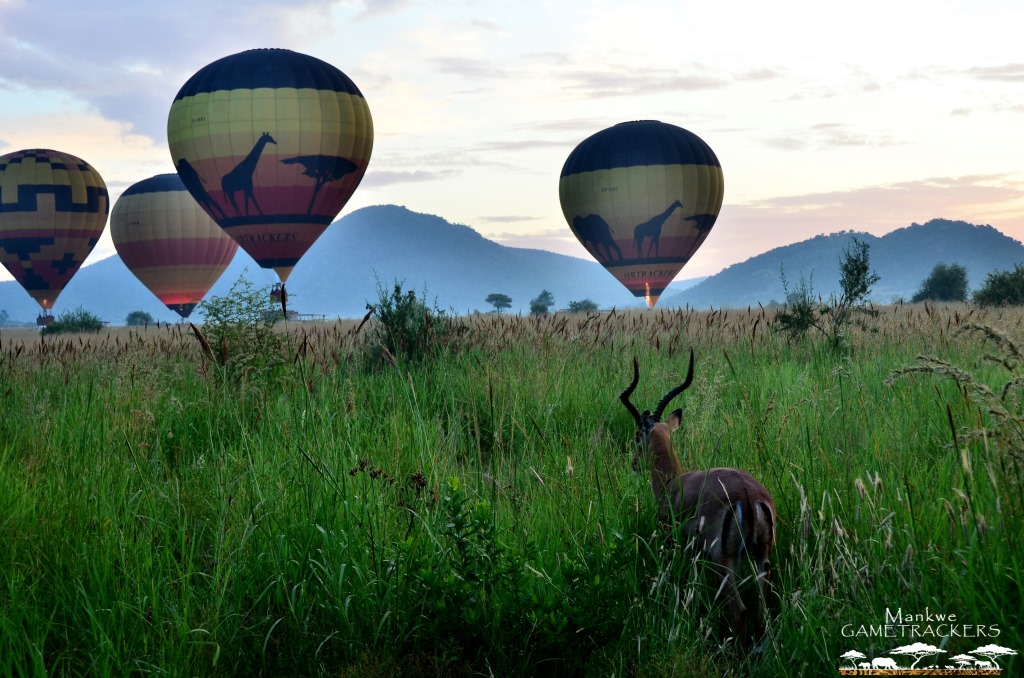
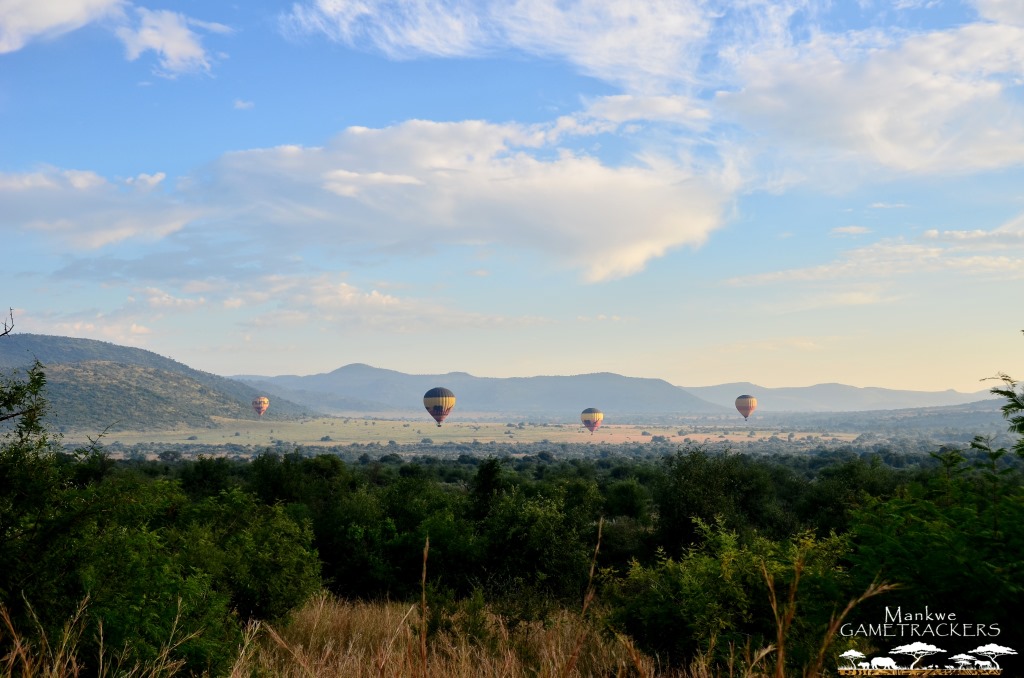
There is nothing like waking up to a beautiful sunrise in Pilanesberg and our hot air balloons taking flight. We have had a few groups come and fly with us over the last week or so, we hope that they all have memories that will last a lifetime.

African Wild Dog.

African Wild Dog.

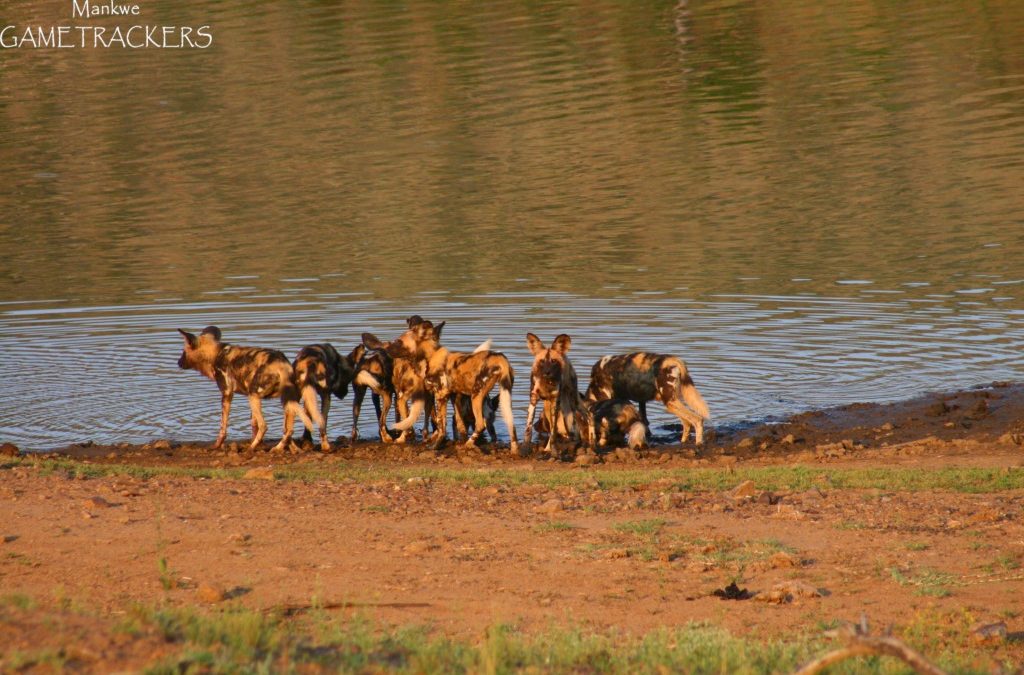
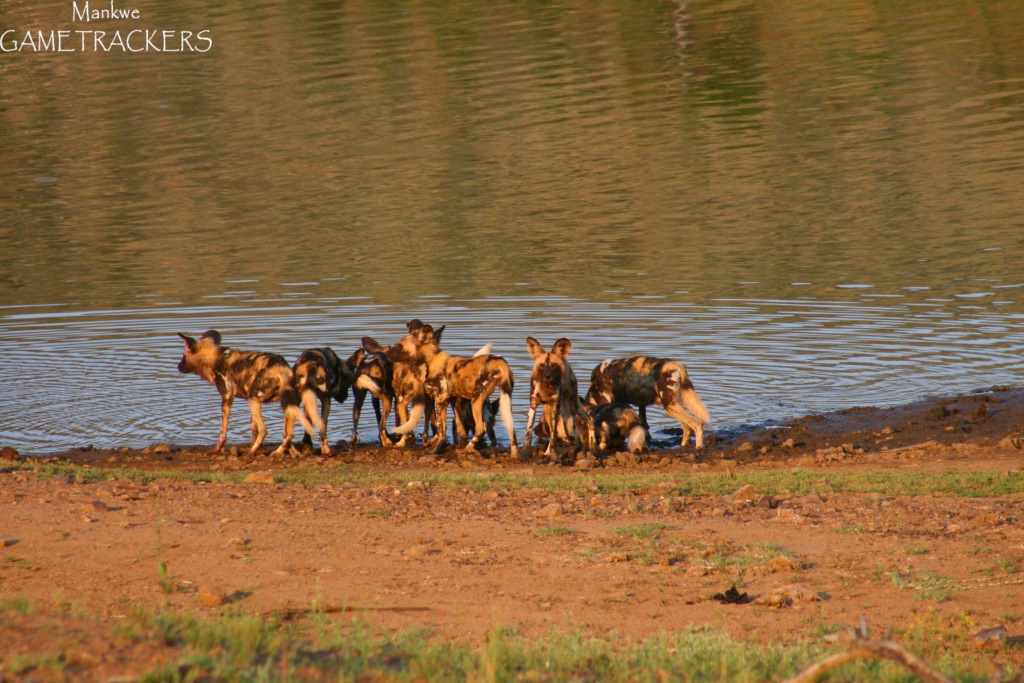
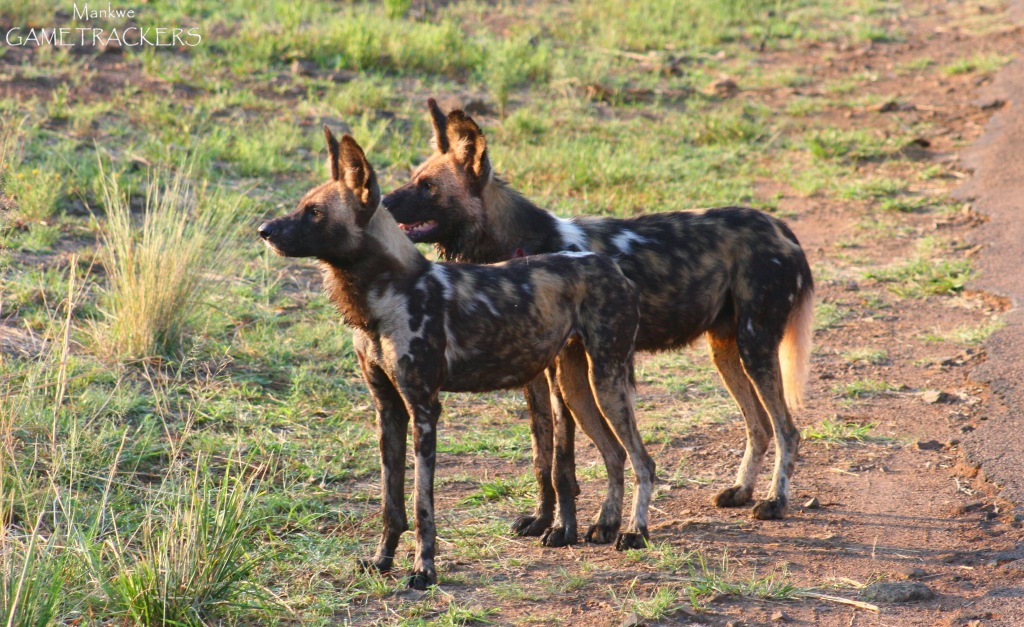
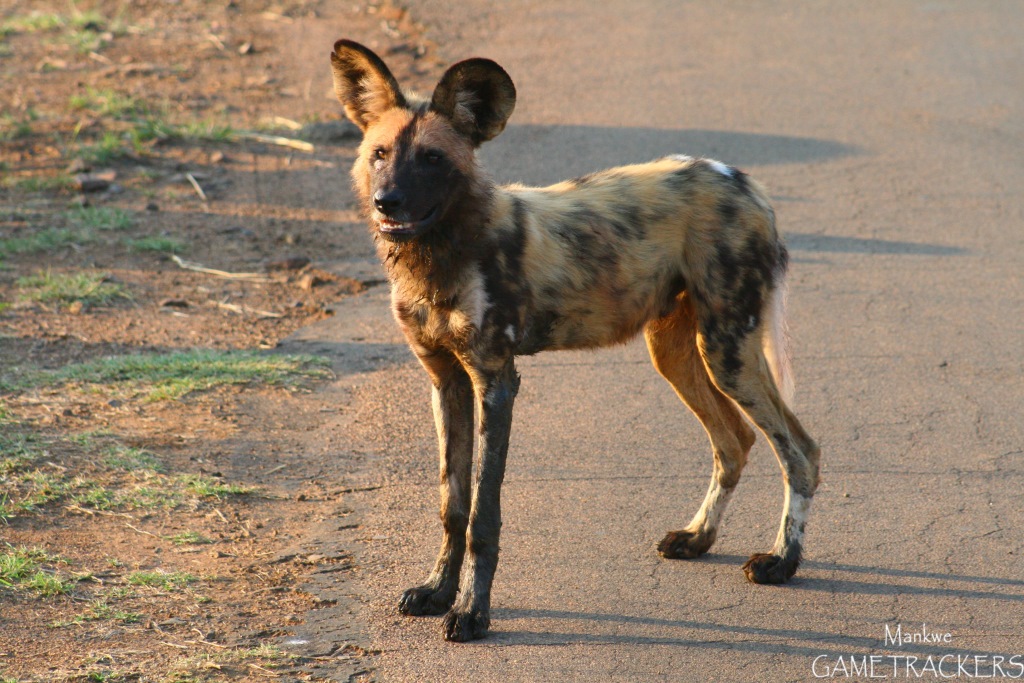
Also known as the African painted dog due to its striking mottled coat.  Their Latin name Lycaon pictus means painted wolf.

We don’t see them often so therefore when we do it is something extra special. In the Pilanesberg the Wild dogs like to follow the fence line making use of it when hunting by chasing prey into the fence.

The African wild dog lives in packs and have very strong social bonds. The pack consists of a dominant male and female (the Alpha pair) and then the other subordinate members. Most of the breeding is done by the Alpha pair but the pups are cared for by the entire pack. Each individual has its own unique coat pattern.

As a pack they are one of the most successful hunters of the carnivores. They will chase down their prey until it can’t run anymore making use of their fantastic stamina.

Unlike many other species, once they reach maturity it is the males that stay within their natal pack while females move off to start a new pack.

Once the adults have eaten they will run back to the den in order to feed the pups and any adult members that were left behind. They do this by regurgitating chunks of meat.

The white-tip on the end of the tail works as a “follow me” sign. The light color means that it is highlighted and easier to see. The tail is also used to communicate an individuals mood to other members of the pack.

The sad truth is that like many mammals the African Wild Dog is endangered and their numbers continue to decline.

Here is a short video of the Wild Dogs just after they killed a Kudu.
Close but no luck – A great sighting last week Thursday.

Close but no luck – A great sighting last week Thursday.

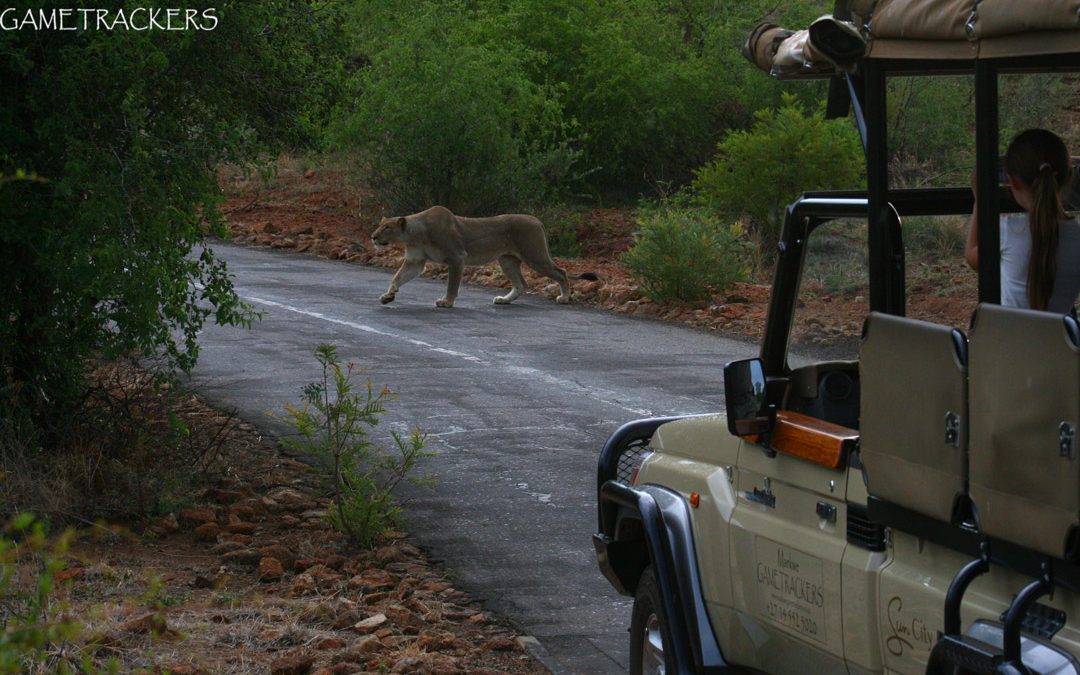
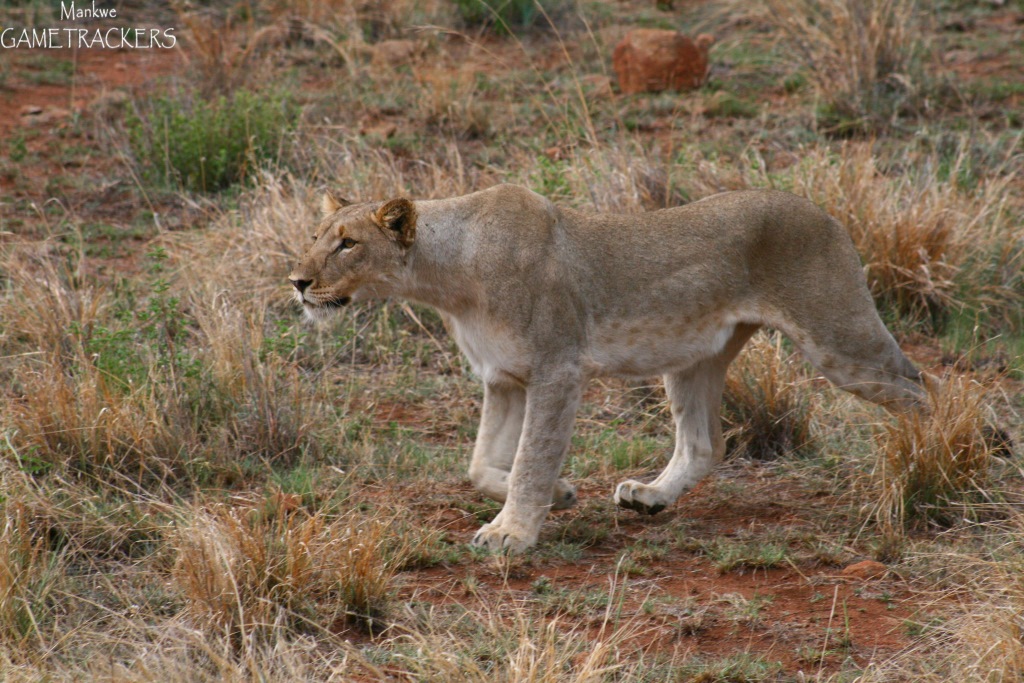
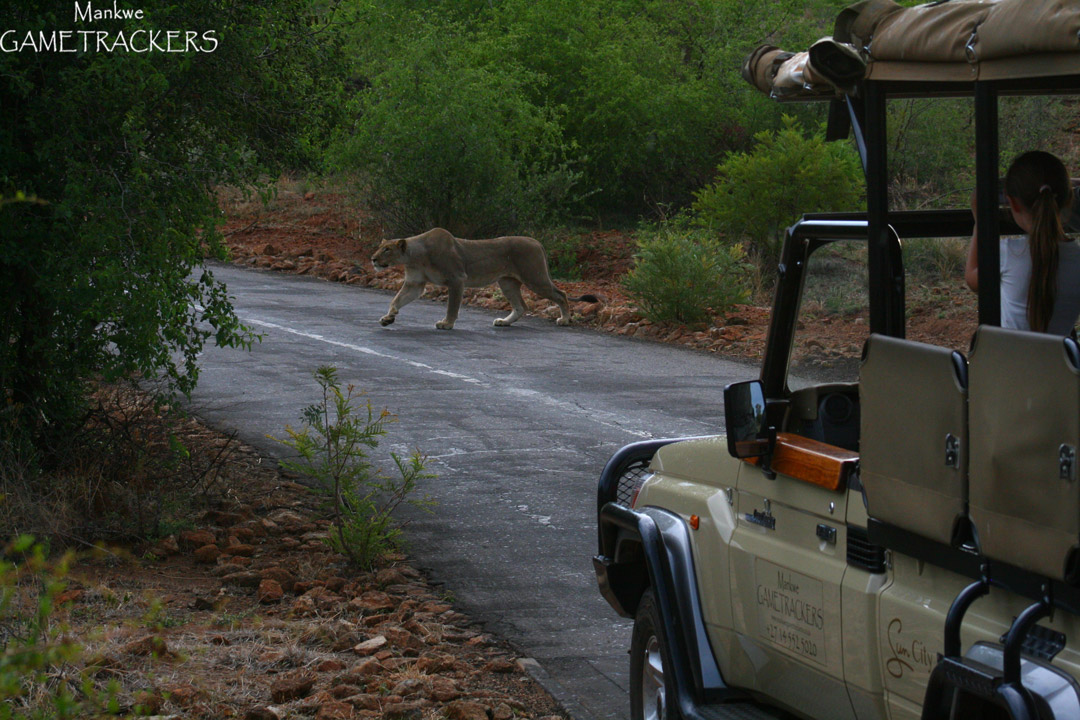
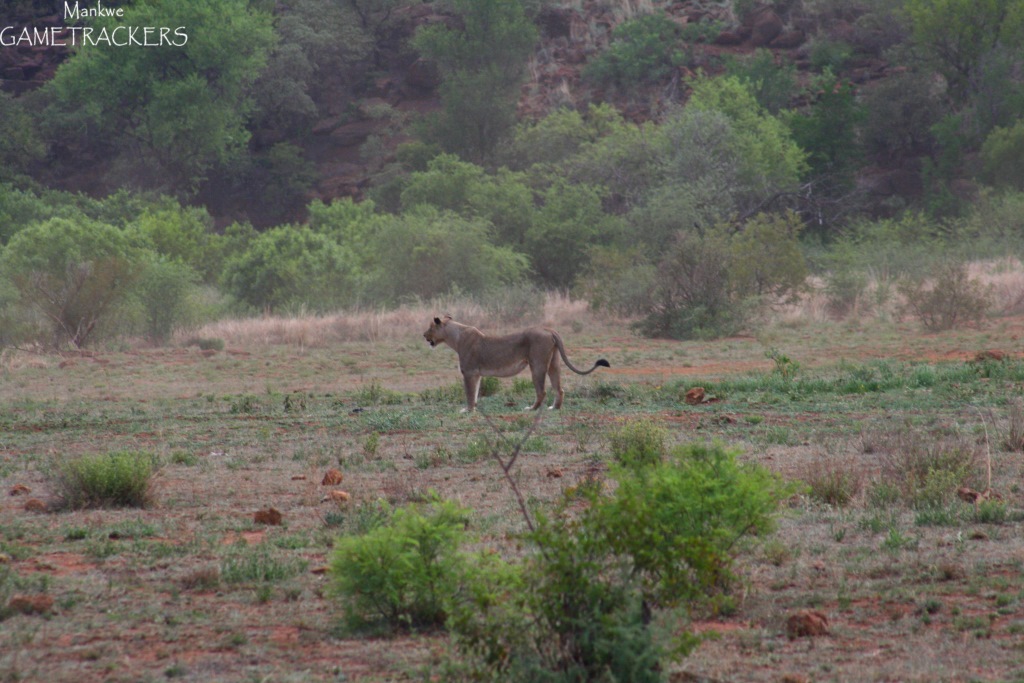
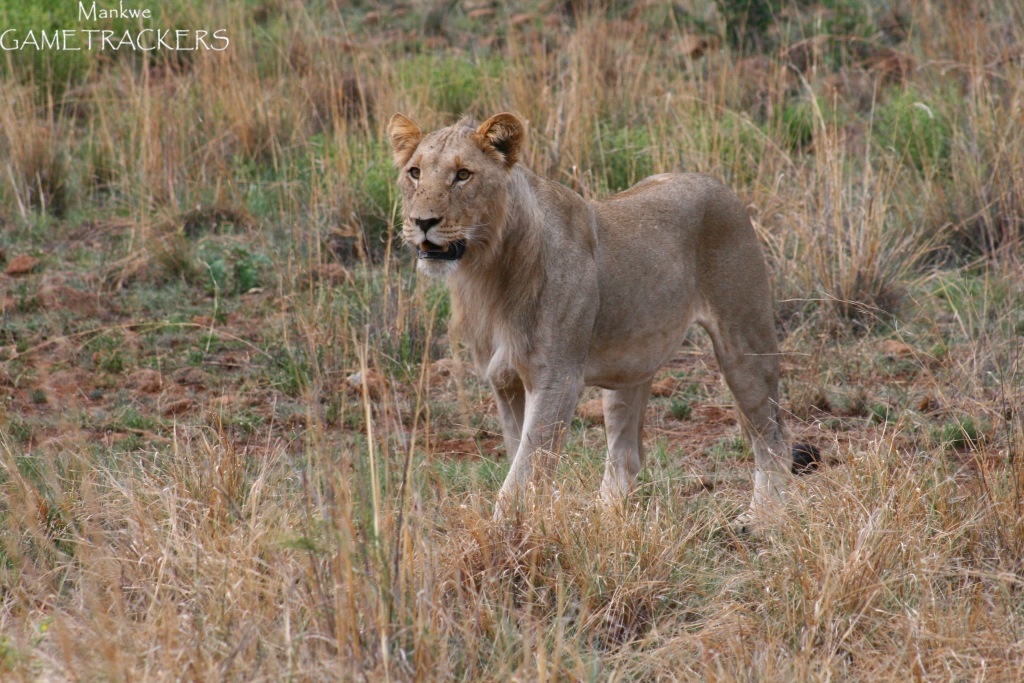
Last week Thursday (08/12/2016) on one of our afternoon game drives we had a whole lot of excitement, not even 10 minutes after going through Bakubung gate of the Pilanesberg.

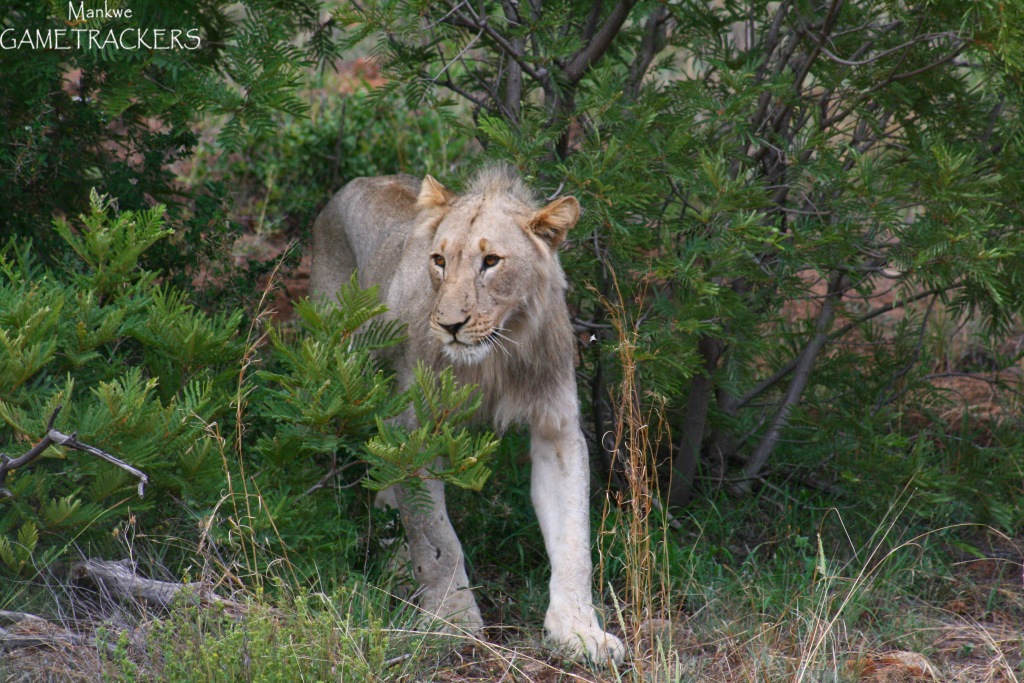
We start our afternoon game drives at 17.00 at the moment and usually this time of day the lions are still resting as it is hot. On this day the weather was overcast so the lions took the cooler weather as an opportunity to hunt.

We sat watching them for over half an hour. It was fantastic to see them communicate with their tails and take up their positions. Unfortunately just before the one female was going to run for it a black-backed jackal ran out of the tree line spooking the wildebeest which gave them a head start.

It was still great to see these big cats in action.

What is the best time to do a Game drive.

What is the best time to do a Game drive.

A good question that we often get asked by our guests.

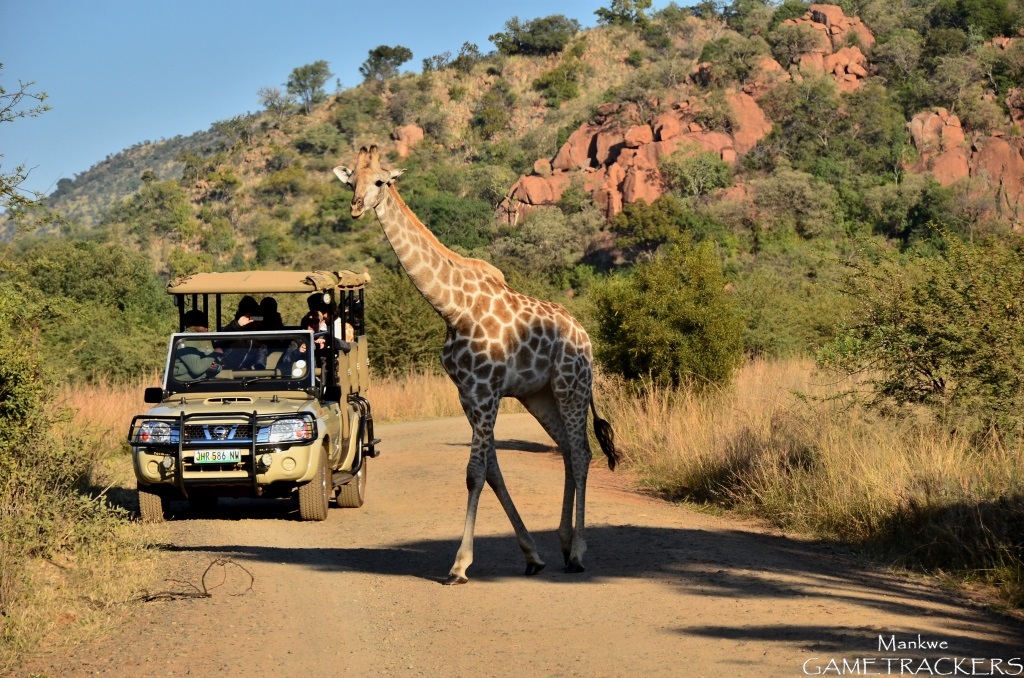
A good time to go on a game drive in Pilanesberg depends on the time of year that you are visiting. That is why we change our scheduled game drive times seasonally i.e.: sunrise and sunset. Doing a game drive over these times gives one a better chance of seeing a range of both nocturnal and daytime animals.

In summer it gets so hot during the day that going on a drive in the middle of the day is not ideal as the animals are usually lying in the shade. Going out early means the animals will still be active including your nighttime predators which will start settling down for the day.

In the afternoons it would be the other way round as the daytime animals will be settling down for the night.

In winter it is dark and cold in the early morning and late afternoon so going out on drives at these times is not great as not only do you get cold but the animals tend to disappear.

 
Female cheetah “Rain” makes front page news.

Female cheetah “Rain” makes front page news.

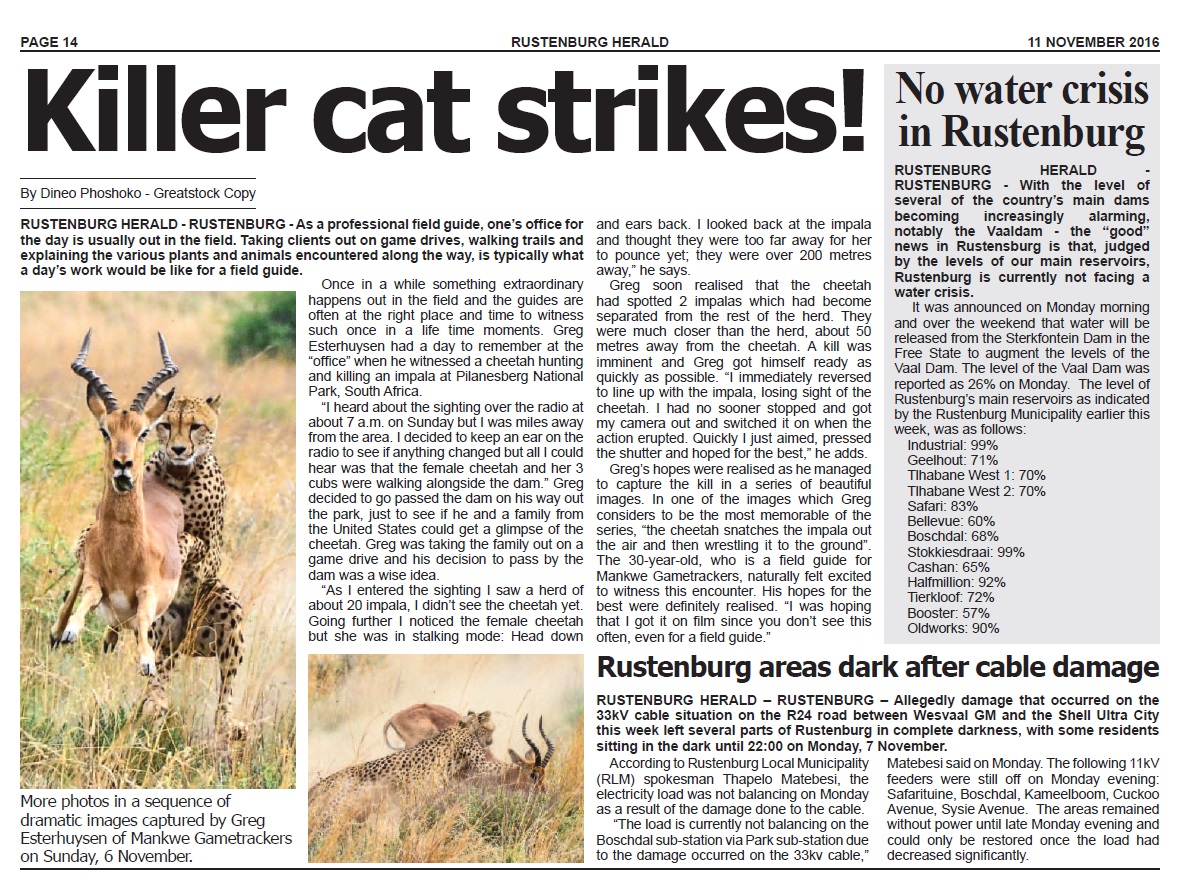
On Sunday the 6 November Field guide Greg Esterhuysen picked up his camera just in time to get some amazing photos of Rain taking down an Impala.

The Impala put up quite a fight with dust flying everywhere, however Rain knew what she was doing and manged to keep hold of her prey.

Once the Impala was down her three cubs came in to “help” and share the meal with their mom. The photos were a great hit on our Facebook page with over sixteen thousand people being in awe of the power of this amazing cat. Two days later Rain had made front page news. 

This was truly one of those right place right time moments. We are so glad that Rain and her cubs are doing so well and look forward to sharing the rest of their journey with them.

Giraffe chewing on a bone!

Giraffe chewing on a bone!

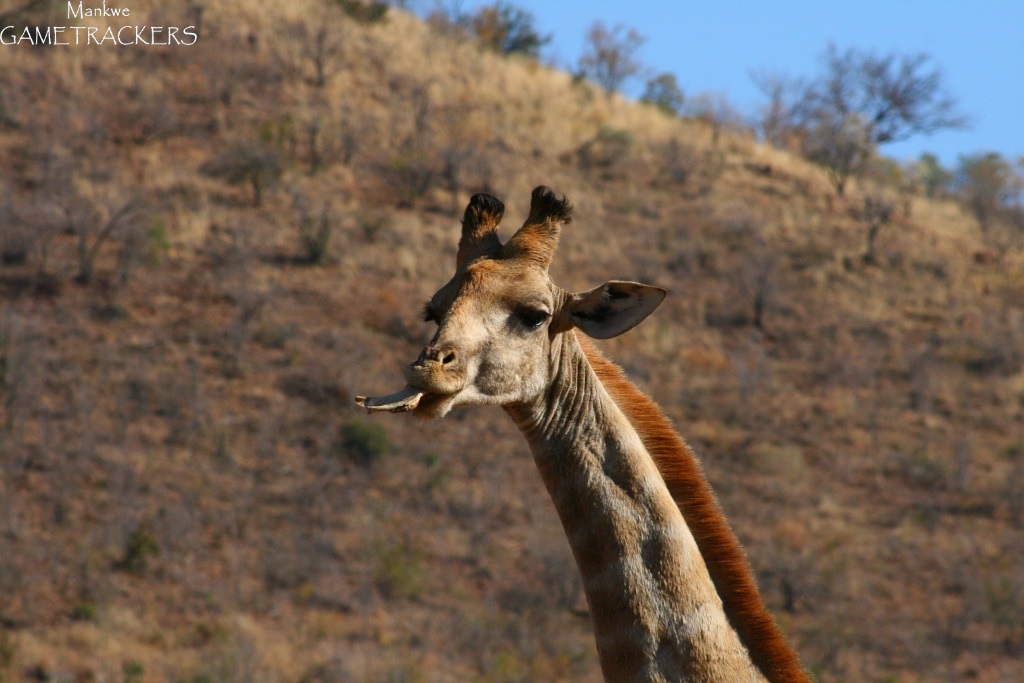
Have you ever seen a giraffe chewing on a bone?

This is something often seen while on Game drive in the Pilanesberg National Park.

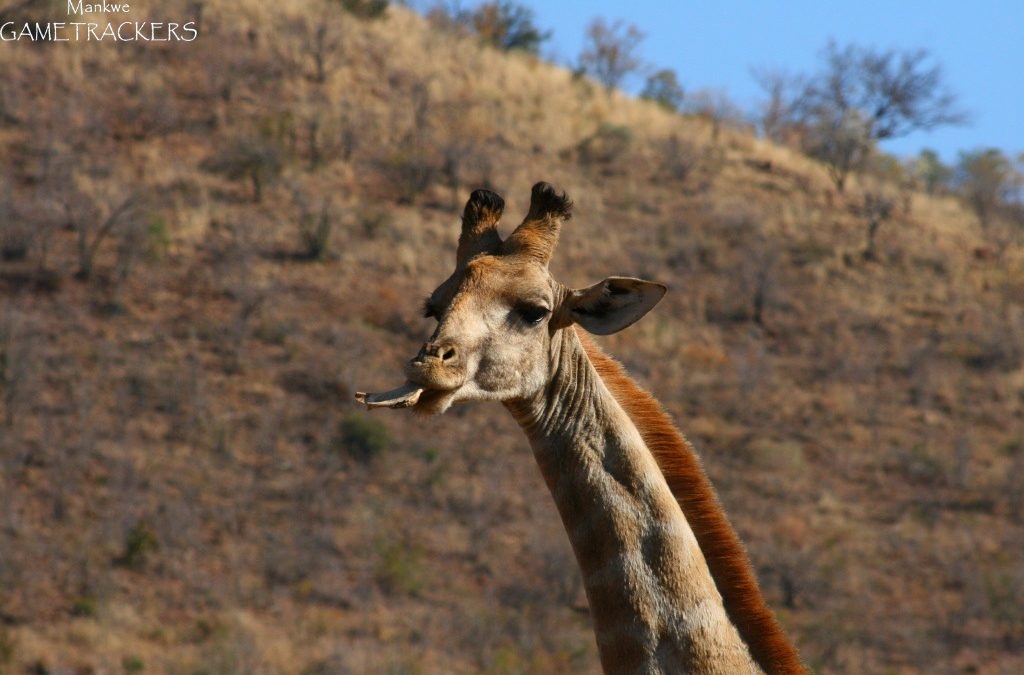
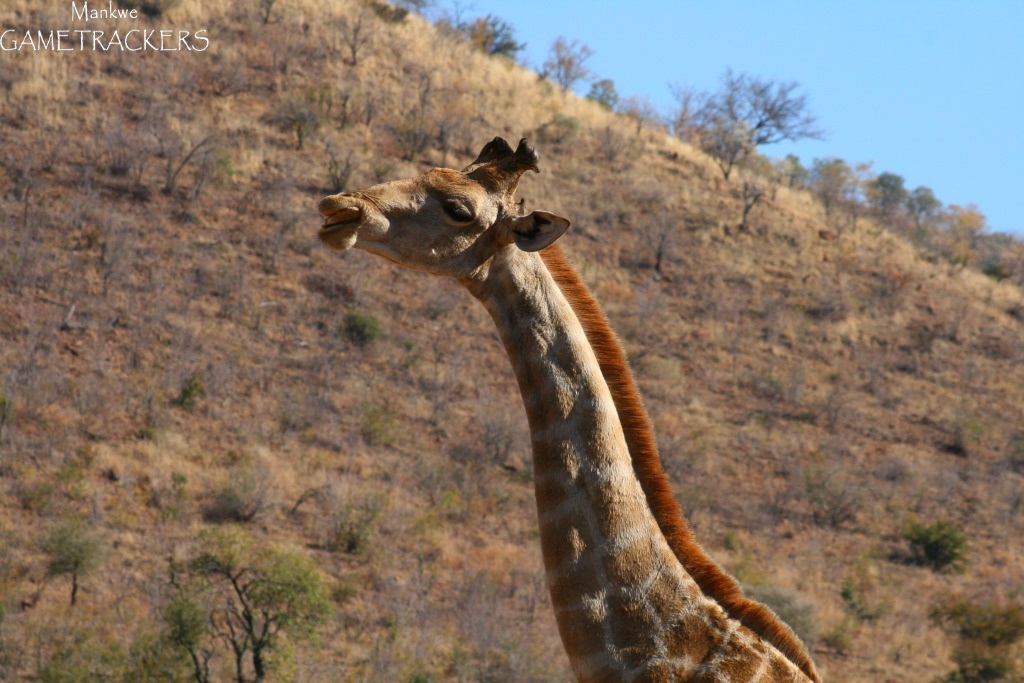
While out and about in the Reserve one might see a Giraffe sucking on something, often with saliva streaming from their mouths. If one listens carefully you might even hear the hard object hitting against their teeth.

When the giraffe loses interest and drops its treat you will see that it was a bone that it was sucking on.

This phenomenon is known as Osteophagy. It is believed that animals do this in order to supplement their phosphorus and calcium intake.

Below is a video of a kudu making use of Osteophagy.

Language »